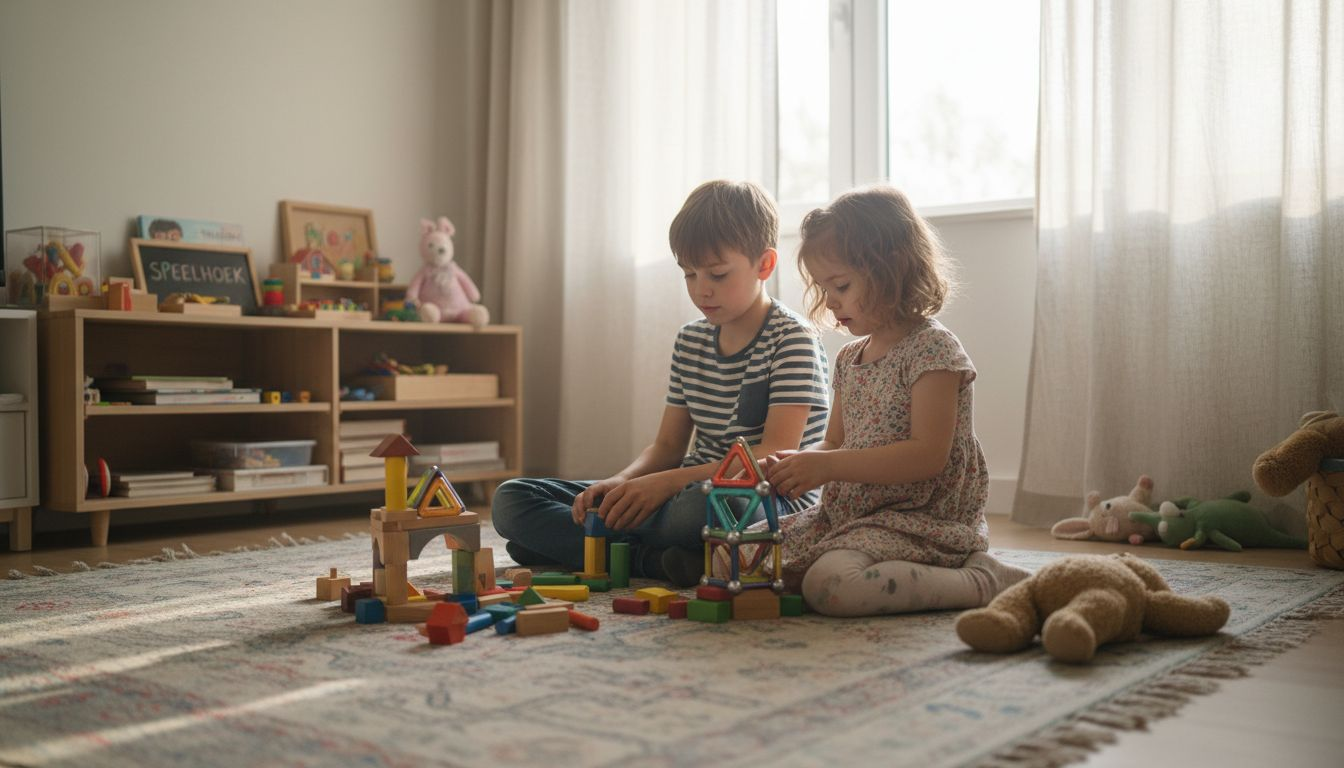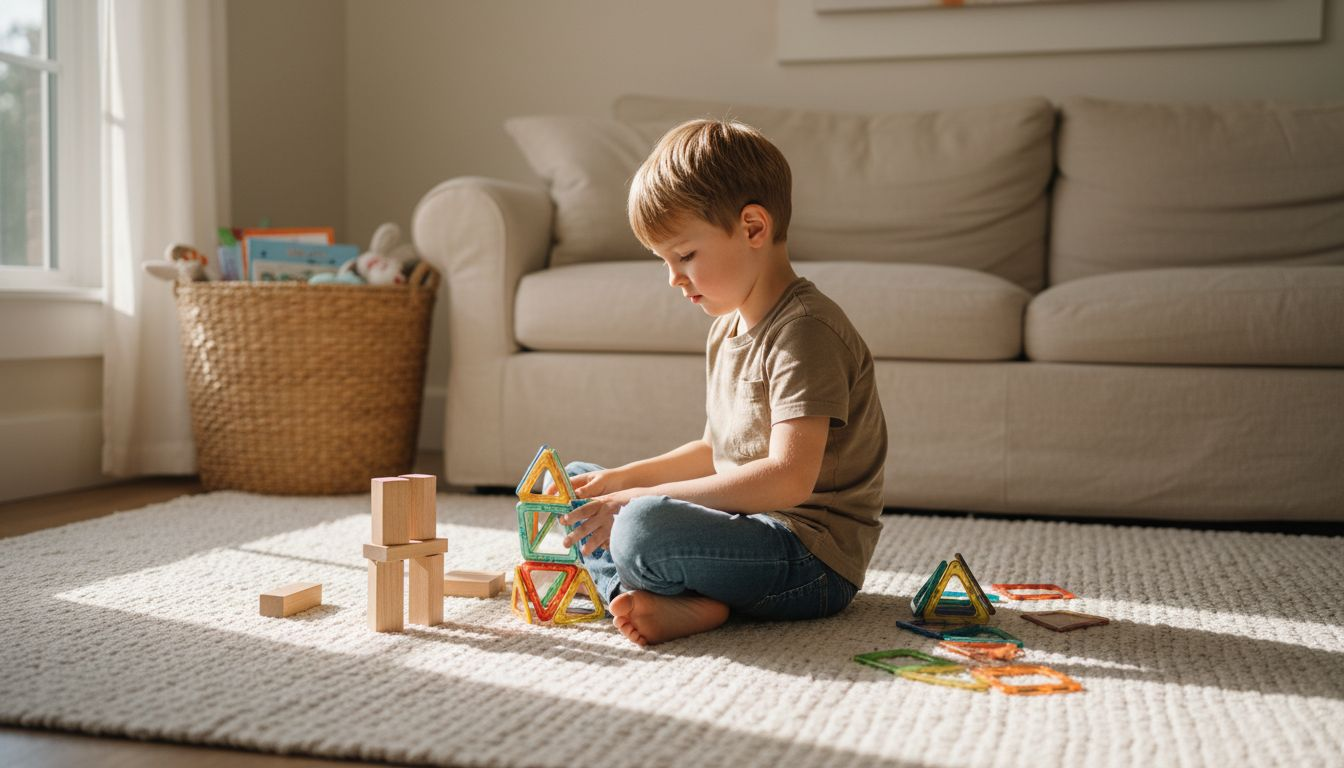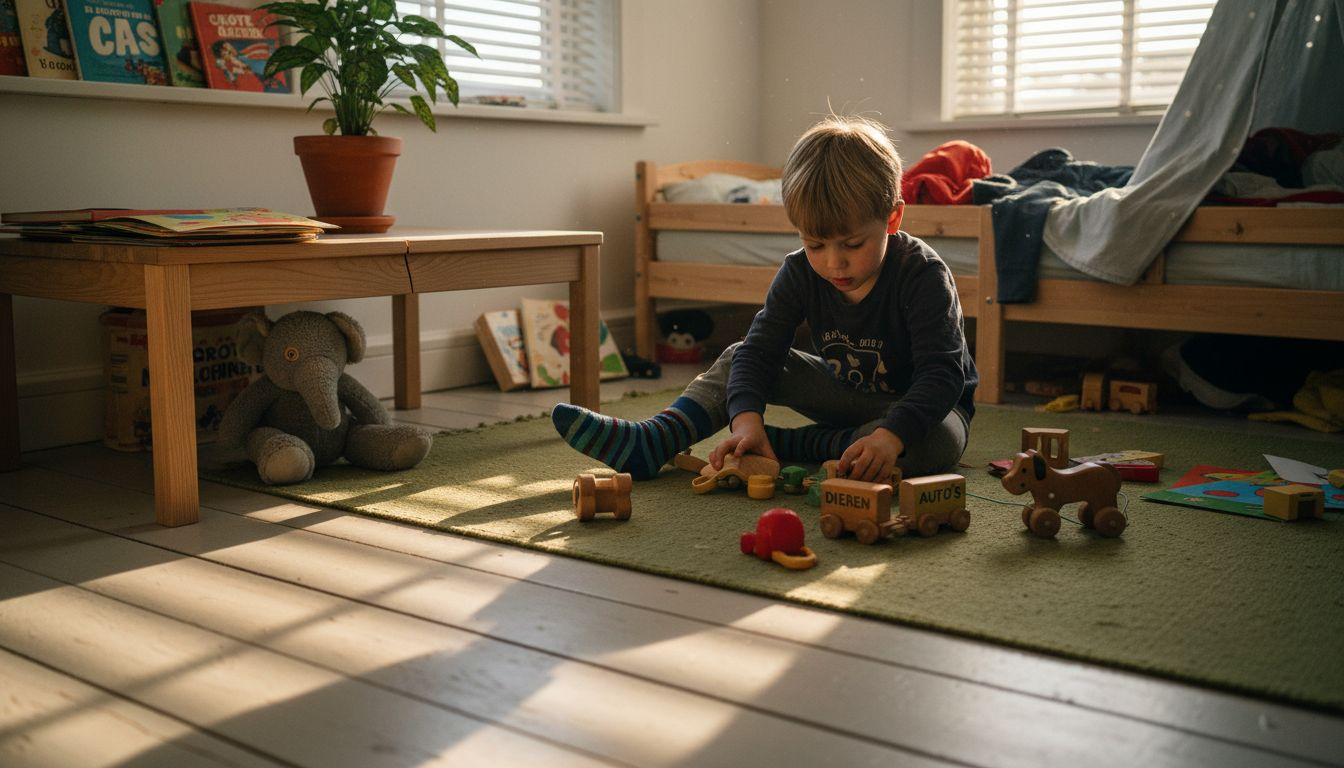
Every parent wants their child to play safely, but choosing the right toys can sometimes feel like a challenge. Throughout Central Europe, demand is growing for toys that are not only educational but also responsibly produced. The latest insights show that sustainable toys go beyond green materials and focus on safety, developmental value, and environmental impact. Discover how modern choices contribute to both your child's creativity and the protection of our planet.
Table of contents
- What does sustainable toys mean today?
- Key materials and production methods explained
- Safety, health and European toy standards
- Educational value and creative development
- Environmental impact and conscious consumer choice
- Comparison: Sustainable versus conventional toys
Key Points
| Point | Details |
|---|---|
| Sustainable toys involve more than just materials | It's about a holistic approach, including production processes and educational value for children. |
| Safety and regulations are crucial | European standards ensure that toys are safe for use by children, with strict testing and CE marking. |
| Educational toys promote development | Sustainable educational toys help with cognitive development and stimulate creative and problem-solving thinking. |
| Conscious consumer choice influences the industry | Consumers are increasingly making choices that reduce the environmental impact of toys, leading to more sustainable production methods. |
What Does Sustainable Toys Mean Today?
The definition of sustainable toys has fundamentally changed in recent years. Where environmental friendliness used to be the focus, it now encompasses a holistic approach that encompasses the entire life cycle of toys.
Today, sustainable toys mean much more than just green materials. It's about conscious product choices with minimal environmental impact . The modern vision encompasses several critical aspects:
- Use of renewable raw materials
- Low-emission production process
- Long product life
- Full recyclability
- Educational and developmental value for children
The core of contemporary sustainable toys is the balance between environmental awareness, safety, and child development. Manufacturers focus not only on materials but also on creating toys that raise children's awareness of sustainability . This means products that are not only environmentally friendly but also encourage children to consider their impact on the planet.
The evolution of sustainable toys reflects a broader societal shift toward more conscious consumption. It's no longer just about the product itself, but about the broader context: how it's produced, how long it lasts, and the values it can foster in children.
Pro tip: Choose toys that are not only sustainably produced but also last for several years and stimulate your child's creativity.
Key Materials and Production Methods Explained
Choosing the right materials for sustainable toys is a crucial step in the development process. Circular production approaches are transforming the way we think about toys.
The most important sustainable materials in the modern toy industry are:
- Bamboo : Fast-growing and renewable natural material
- Organic cotton : Produced without harmful pesticides
- FSC-certified wood : From responsibly managed forests
- Recycled plastic : Reduces waste and reuses existing materials
Production methods are just as important as the choice of materials. Modern manufacturers focus on low-emission processes that minimize environmental impact. This means not only using clean energy sources but also optimizing the entire production chain to prevent waste.
Special attention is paid to the safety of materials. Researchers are currently studying how to eliminate harmful additives such as flame retardants and plasticizers. The goal is to develop toys that are not only sustainable but also completely safe for children.
Below is an overview of how different materials contribute to sustainability in toys:
| Material | Sustainability label | Importance of child safety |
|---|---|---|
| Bamboo | Rapidly renewable, biological | No splintering during use |
| Organic cotton | Cultivation without pesticides | Hypoallergenic and gentle on the skin |
| FSC-certified wood | Responsible forest management | Free from toxic substances |
| Recycled plastic | Waste reduction, reuse | Mostly BPA free, extra tested |
Pro tip: When purchasing sustainable toys, always look for certifications that guarantee the product's environmental friendliness and safety.
Safety, Health and European Toy Standards
Toy safety is a top priority for European regulators and manufacturers. New EU regulations protect children from potential health risks through strict toy safety standards.
Key safety aspects in the European toy industry:
- Ban on harmful chemicals
- Mandatory safety tests
- Protection against mechanical risks
- Electrical safety checks
- Attention to mental health
The CE marking is the ultimate proof that toys meet the strictest European safety standards. Manufacturers must conduct extensive testing that examines not only physical risks but also potential chemical and psychological hazards.
Special attention is being paid to emerging risks, such as the impact of digital toys on children's mental development. The digital product passport will provide consumers with greater transparency about the composition and potential risks of toys.
Pro tip: Always check the CE marking and associated safety certificates before purchasing toys for your child.
Educational Value and Creative Development
Sustainable educational toys support cognitive development in a unique and holistic way. They're not just about learning, but about stimulating the child's entire experience.
Key developmental aspects of educational toys:
- Stimulating problem-solving skills
- Improving spatial insight
- Developing fine motor skills
- Promoting creative thinking
- Supporting STEM skills
Modern educational toys are much more than a simple pastime. They create an interactive learning environment where children develop essential skills through play. By using materials that are both durable and educational, children are challenged to think critically and use their imagination.
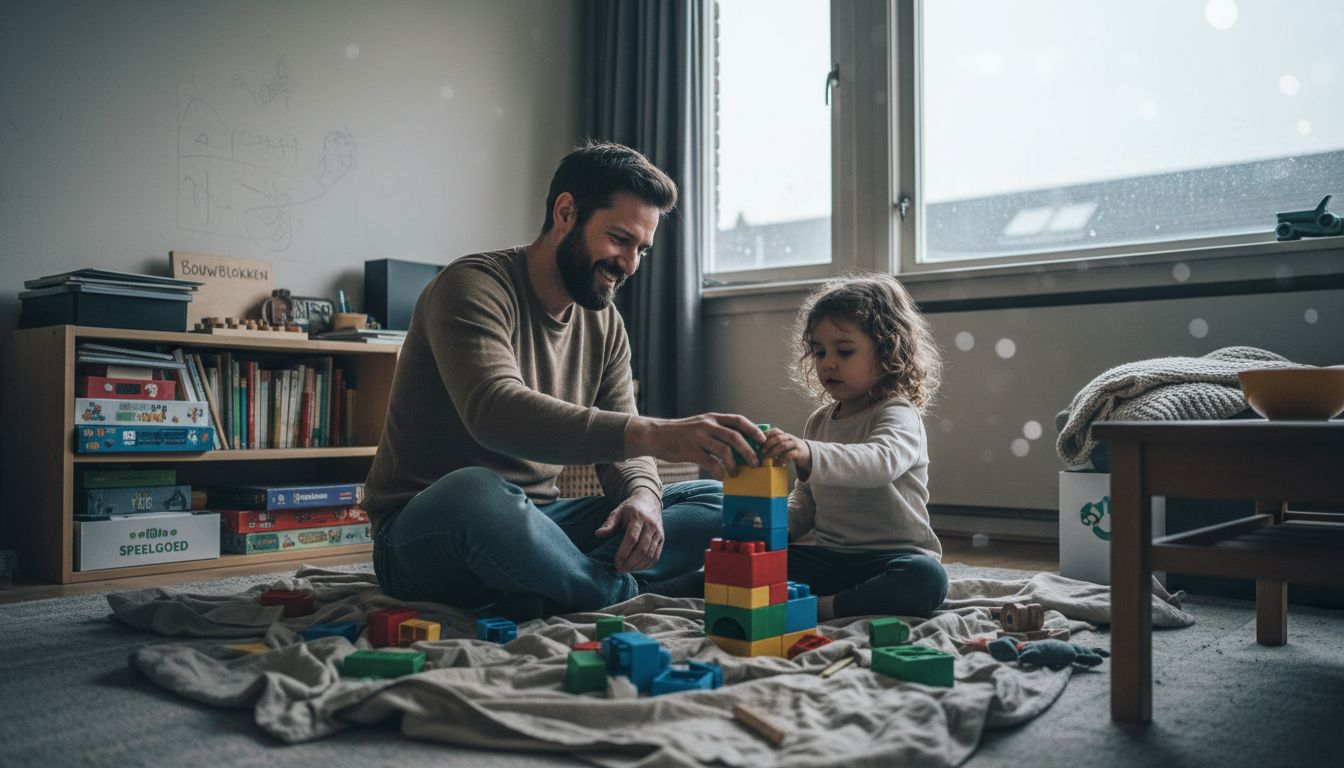
The combination of sustainability and education creates a unique learning environment where children are not only stimulated in their cognitive development but also become aware of environmental issues. The toys become a tool for teaching important life skills, far beyond traditional learning methods.
Pro tip: Choose toys that challenge, spark curiosity, and respect your child's natural desire to learn.
Environmental Impact and Conscious Consumer Choice
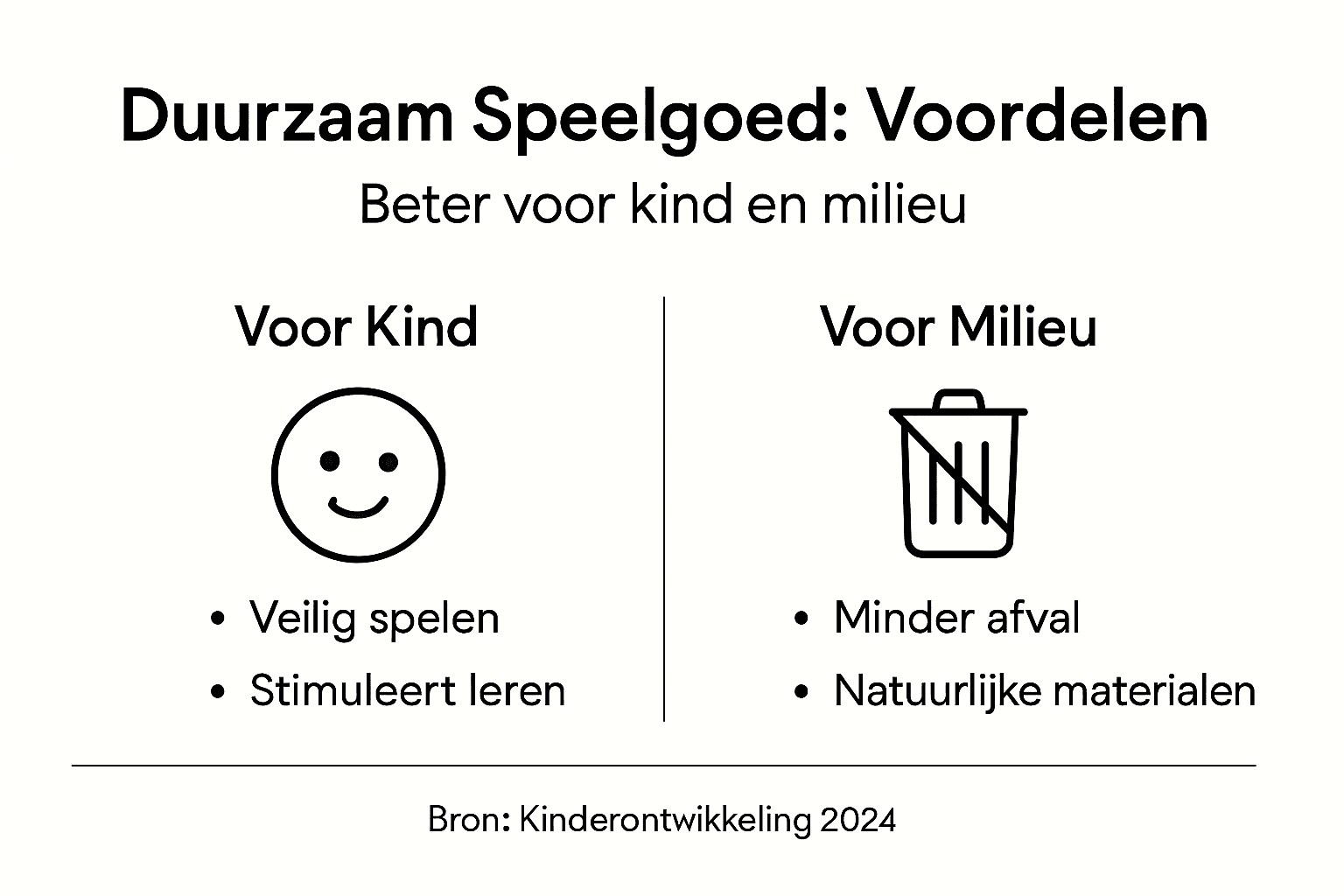
The disposable toy economy is slowly changing due to growing environmental awareness among consumers. More and more parents are making conscious choices that reduce their ecological footprint.
Key considerations when choosing sustainable toys:
- Use of renewable raw materials
- Long lifespan of products
- Possibility of recycling
- Minimal packaging materials
- Low energy consumption during production
The environmental impact of toys is determined by multiple factors. Not only the choice of materials plays a role, but also the entire product life cycle. Modern consumers are more critical of the origin, production method, and final destination of toys.
This awareness is leading to a fundamental shift in the toy industry. Manufacturers are being forced to develop more sustainable production processes, use more environmentally friendly materials, and design products that last longer and are easier to recycle.
Pro tip: Choose toys from brands that are transparent about their production process and environmental impact.
Comparison: Sustainable vs. Conventional Toys
The difference between sustainable and conventional toys goes far beyond just the materials used. It touches on fundamental choices about parenting, the environment, and future prospects.
Key distinguishing features:
-
Materials used :
- Sustainable: Organic, renewable materials
- Conventional: Cheap, harmful plastics
-
Lifespan :
- Durable: Designed for long-term use
- Conventional: Quickly replaceable and disposable
-
Environmental impact :
- Sustainable: Minimal ecological footprint
- Conventional: High waste production
Sustainable toys represent more than just a product. They are a conscious educational choice that teaches children about responsibility, respect for the environment, and the value of quality over quantity.
The economic equation is complex. While sustainable toys may initially seem more expensive, they offer significant long-term benefits. They not only encourage creative play but also prevent unnecessary waste and repeat purchases.
This overview shows the impact and benefits of sustainable toys in various areas:
| Aspect | Sustainable Toys | Conventional Toys |
|---|---|---|
| Impact on environment | Low ecological footprint | Lots of waste and pollution |
| Educational value | Stimulates creativity & awareness | Often purely entertainment, not very educational |
| Economic value | Sustainable, less likely to be replaced | Regularly need new purchases |
| Health & Safety | Tested for harmful substances | Possible risk from chemicals |
Pro tip: Think of sustainable toys as an investment in your child's future and the planet.
Stimulate creativity and awareness with sustainable magnetic toys
The challenge of sustainable toys in parenting revolves around balancing environmental friendliness with the educational and safe development of children. Parents are looking for toys that are not only safe and sustainable, but also stimulate their children's imagination and fine motor skills, according to the latest insights from the article. This requires a conscious product choice that helps children become aware of their impact while simultaneously encouraging educational and creative play.
At TilesMinds, you'll find a wide range of magnetic toys that perfectly meet these needs. With sets like the Magnetic Orbit and the 125-Piece Tiles , you're choosing durable, safe, and long-lasting toys. These products are designed to help children learn through play and develop their cognitive skills while respecting the environment and their health.
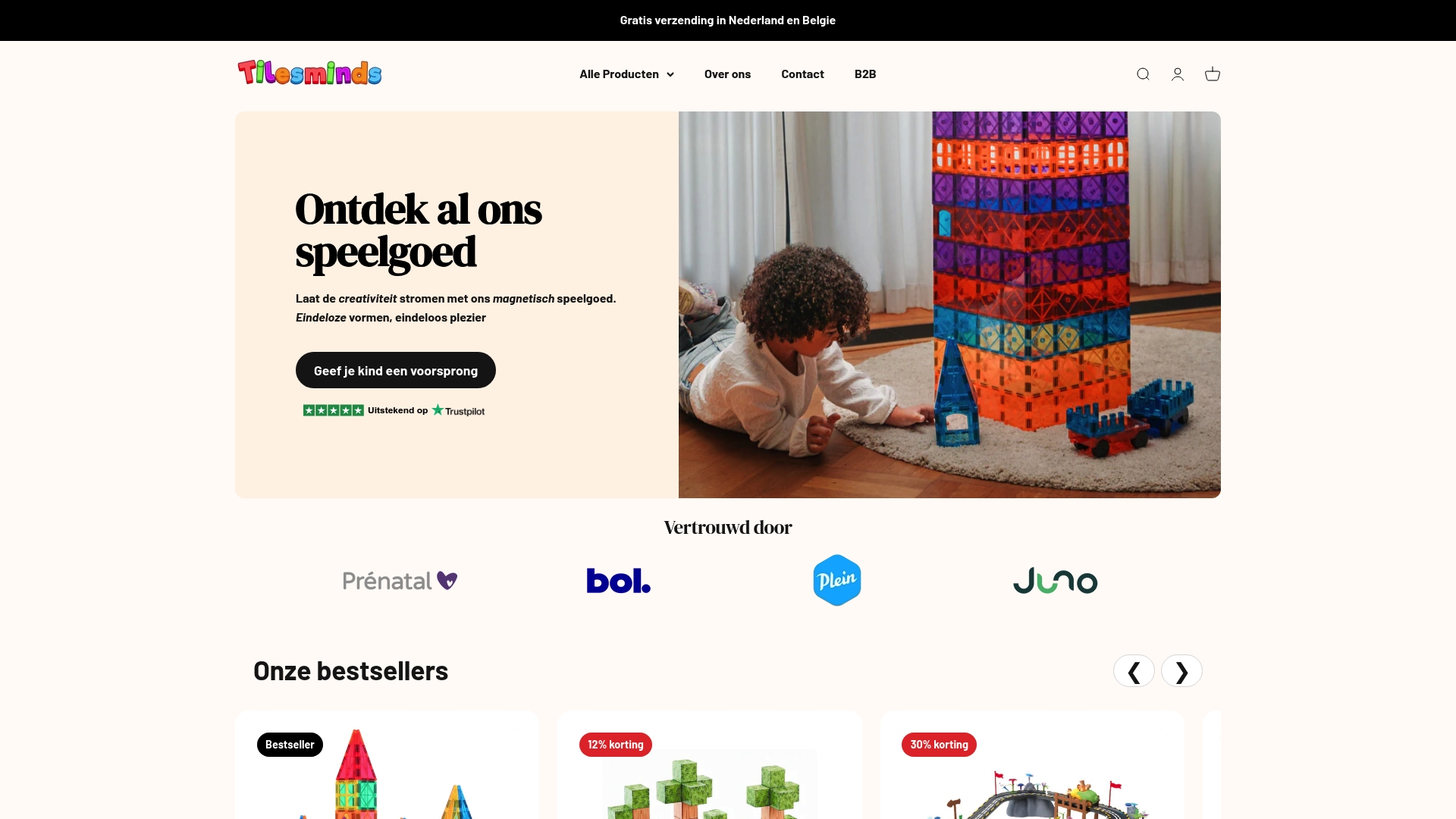
Discover how you can make a valuable contribution to your child's education with sustainable and educational magnetic toys. Visit https://tilesminds.com and make a conscious choice for your child's future and our planet.
Frequently Asked Questions
What are the benefits of sustainable toys for children's development?
Sustainable toys stimulate creativity, strengthen problem-solving skills, and promote fine motor skills. They also help children develop a sense of responsibility and environmental awareness.
How do sustainable toys differ from conventional toys?
Sustainable toys are made from organic and renewable materials and have a smaller environmental footprint. Conventional toys, on the other hand, often contain harmful plastics and are designed for short-term use.
Why is it important to consider the lifespan of toys?
The longevity of toys is crucial because durable toys are designed to last longer, which not only benefits the environment but also prevents parents from having to regularly buy new toys, which is cost-effective in the long run.
How can parents recognize educational value in sustainable toys?
Parents can recognize educational value in choosing toys that promote cognitive development, such as games that encourage creative thinking, problem solving, and STEM skills.