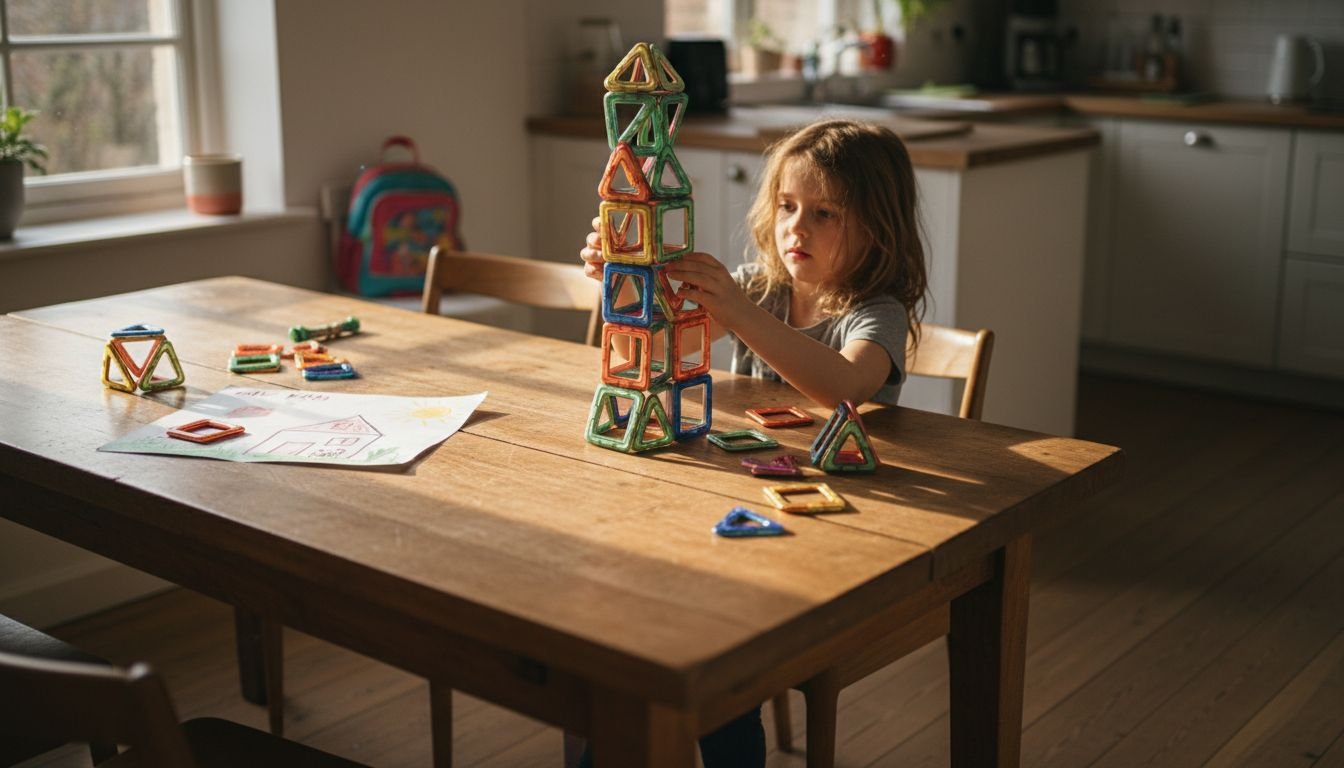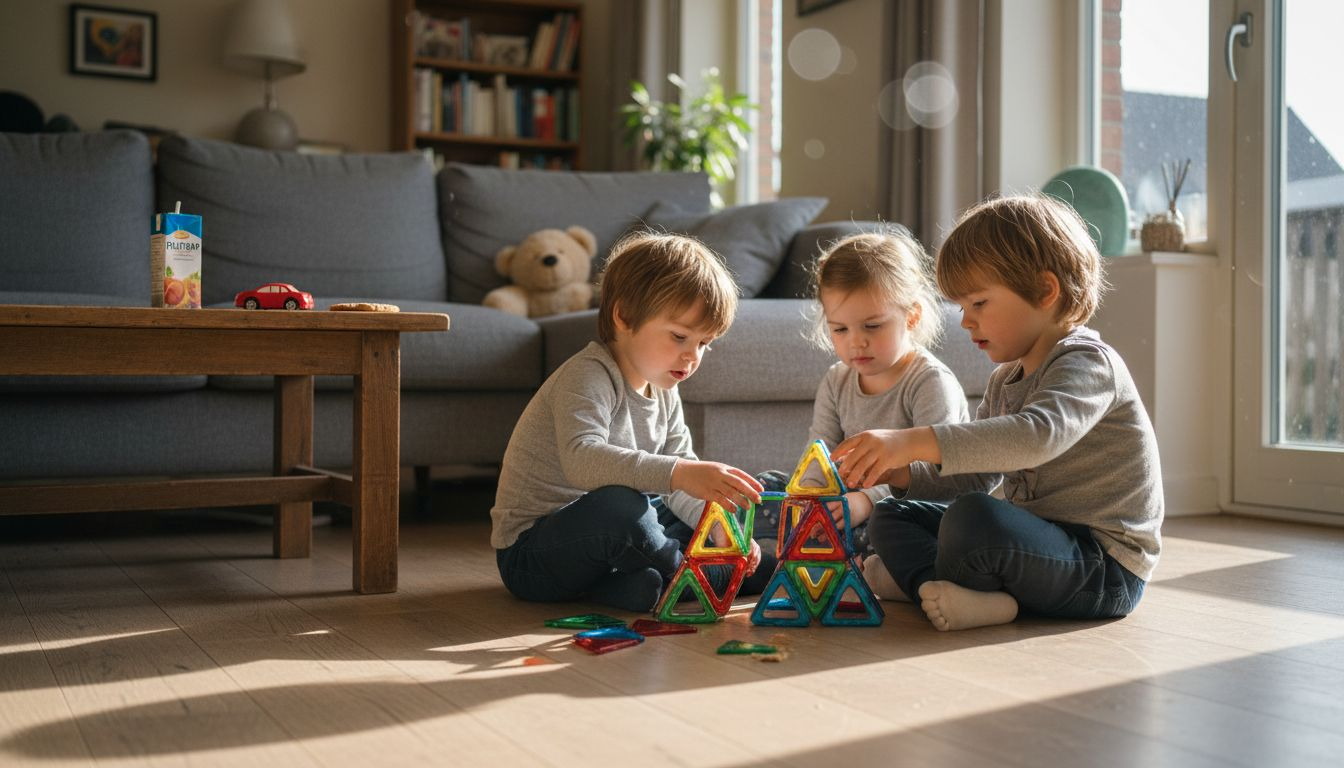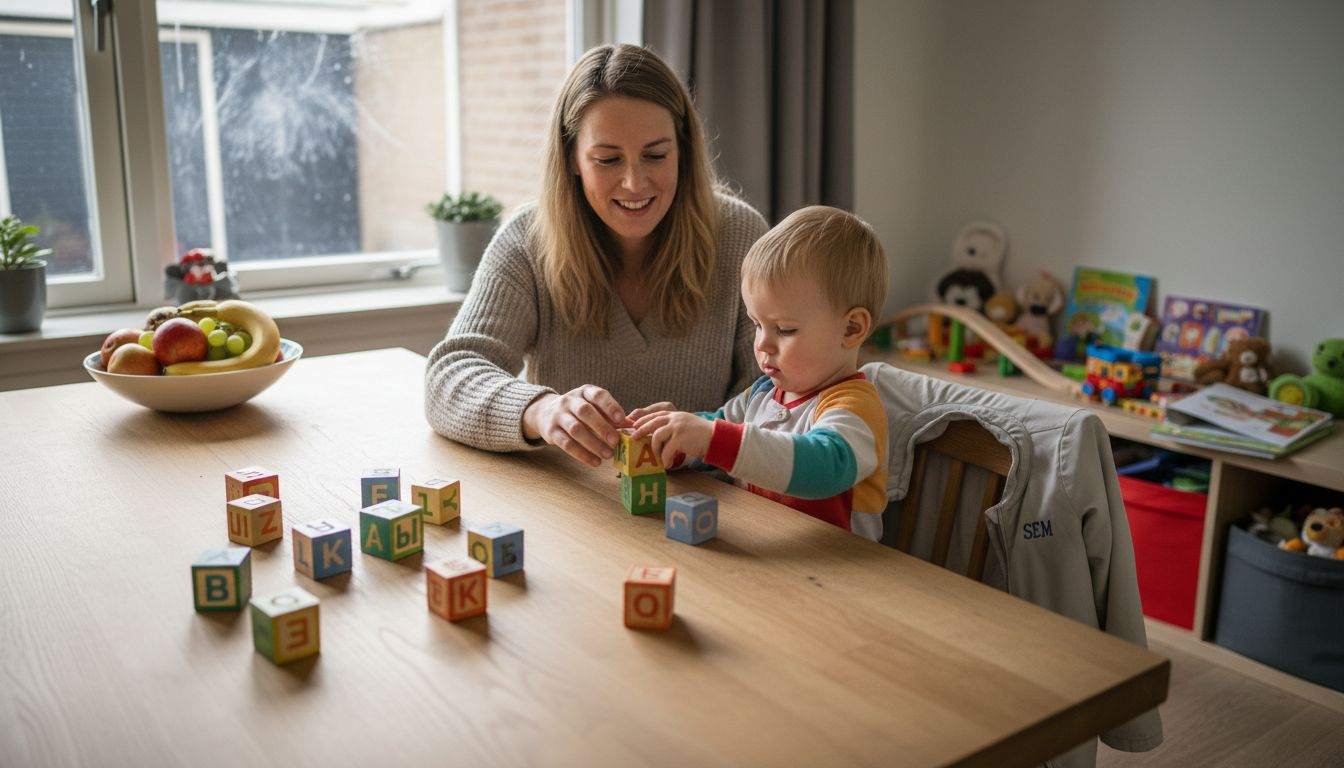
Every parent wonders which toys truly contribute to their child's development. The choices are enormous and the selection seems endless, while you primarily want your child to have fun and grow through play. By choosing toys that stimulate motivation and imagination, you give your son or daughter a head start in creative and social skills. This guide will help you discover how to select educational toys that combine safety, learning enjoyment, and development.
Table of contents
- Step 1: Choose suitable educational toys
- Step 2: Prepare the play environment safely
- Step 3: Introduce clear rules of the game
- Step 4: Encourage creative and focused collaboration
- Step 5: Observe and adjust for optimal learning results
Short Summary
| Important Point | Explanation |
|---|---|
| 1. Choose versatile educational toys | Select toys that appeal to multiple areas of development, such as creativity and collaboration. |
| 2. Provide a safe playing environment | Create a defined and safe space with attention to flooring and supervision. |
| 3. Introduce clear rules of the game | Explain the rules in an age-appropriate manner so children understand how to play. |
| 4. Encourage creative collaboration | Encourage collaboration and creative thinking through collaborative assignments and open communication. |
| 5. Observe and adjust | Pay attention to children's strategies and provide targeted support to promote their independence. |
Step 1: Choose suitable educational toys
Selecting the right educational toys for children is crucial for their development. There are important considerations to keep in mind when choosing play materials that are not only fun but also truly educational. Educational toys stimulate motivation and imagination while children develop specific skills.
When choosing suitable toys, we recommend looking for materials that appeal to multiple developmental areas simultaneously. Look for toys that promote collaboration, stimulate creativity, and challenge children to think critically. Look for products that are adaptable and can be used daily, allowing children to learn through play. The best educational games are those that encourage children to play together while discovering new skills.
When choosing toys, always consider your child's age and individual developmental stage. Every child is unique and has different challenges and interests. Choose toys that match their current skill level, but offer a slightly more challenging option to encourage growth.
Pro tip: Rotate different types of educational toys to keep your child engaged and develop multiple skills at once.
Below you will find an overview of different types of educational toys and associated learning objectives:
| Toy type | Development area | Sample activity |
|---|---|---|
| Construction material | Fine motor skills, spatial insight | Building towers or bridges |
| Board games | Social, logical thinking | Playing a board game together |
| Arts and crafts supplies | Creativity, self-expression | Painting or making a collage |
| Puzzles | Problem-solving thinking | Assemble your own jigsaw puzzle |
Step 2: Prepare the play environment safely
A safe play environment is essential for children's development and protection. Preparing a suitable space requires careful attention and planning. Safety begins with minimizing risks and creating an environment that is both protective and stimulating.
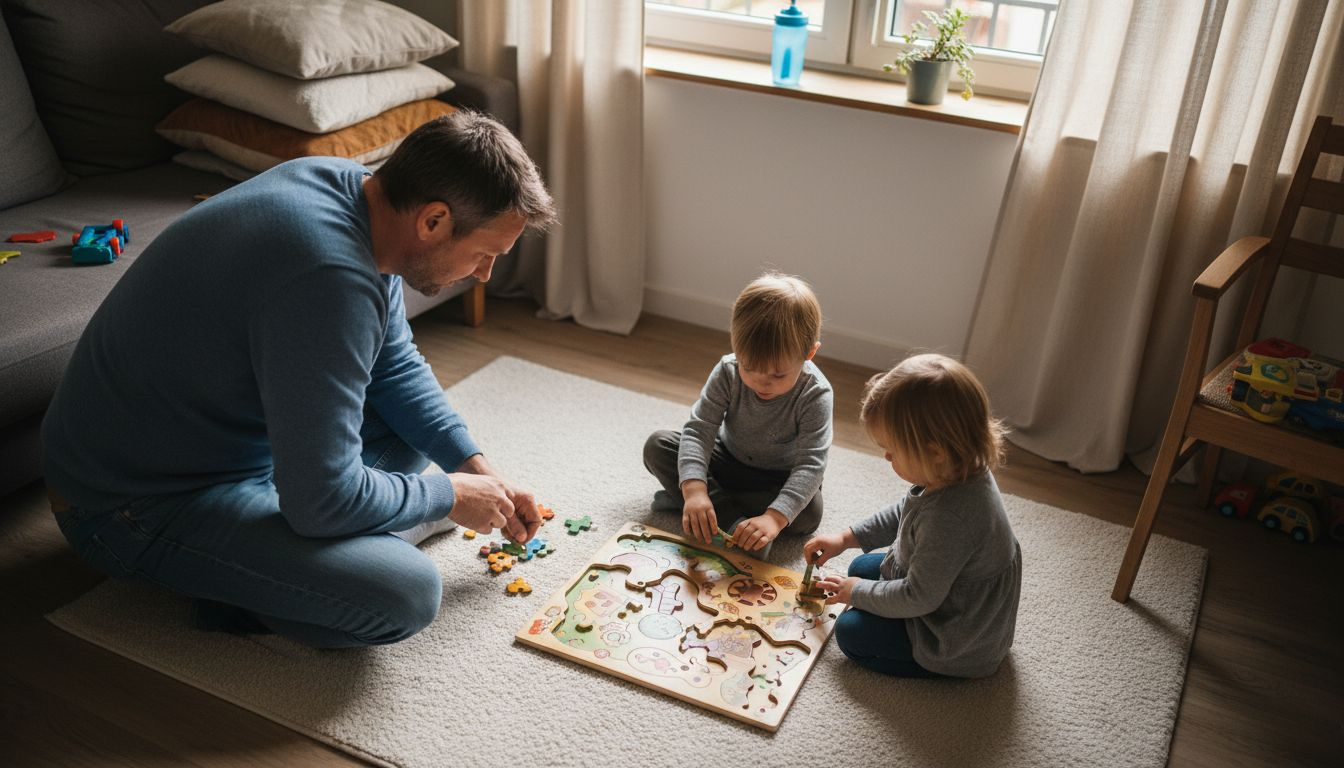
Ensure the play area is clearly defined and meets age-appropriate safety standards. Check all play equipment for sharp edges, loose parts, or potential hazards. Provide adequate supervision and ensure first aid supplies are easily accessible. A good play environment is created by involving children in the design and ensuring the space is challenging but safe.
Pay attention to specific safety aspects such as flooring, lighting, and the placement of toys. Provide sufficient space for movement and eliminate potential tripping hazards. Divide the space into zones for different activities and ensure adequate supervision.
Pro tip: Conduct regular safety inspections and involve your child in understanding and applying safety rules to create a safe play experience.
This table shows you which aspects you should pay attention to for a safe playing environment:
| Aspect | Why important | Practical point of attention |
|---|---|---|
| Floor covering | Prevents injuries | Use anti-slip mats |
| Relief | Visibility and surveillance | Provide bright, even lighting |
| Toy placement | Minimizes tripping hazards | Store toys in bins in an organized manner |
| First aid accessibility | Respond quickly in the event of an accident | First aid kit in a visible place |
Step 3: Introduce clear rules of the game
Introducing clear rules is essential for a successful and educational gaming experience. Rules ensure clarity and engagement in educational games, helping children better understand how the game works and what the goal is.
Start by explaining the basic rules in a way that's appropriate for your child's age and level of understanding. Use simple language and, if possible, demonstrate the rules by doing them. Make sure the rules are fair and allow everyone to participate and have fun. Discuss various aspects such as turn-taking, what's allowed and what's not, and how to earn points or win the game.
Allow for flexibility and fun. Children learn best when rules are clear but not too rigidly enforced. Encourage collaboration and be willing to adjust rules if it improves the play experience. Listen to children's input and be open to their ideas and suggestions.
Pro tip: Review the rules with your children after the game to see what went well and what could be done differently.
Step 4: Encourage creative and focused collaboration
Collaborative play is more than just playing together; it's an opportunity to help children collaborate, communicate, and think creatively. Pedagogical strategies encourage curiosity and collaboration , allowing children to grow and learn together.
Create collaborative activities that encourage joint problem-solving and creative thinking. Give children the opportunity to contribute their own ideas and listen to each other. Encourage them to discuss, share tasks, and support each other. Ensure that every child can contribute and feels valued. Ask open-ended questions that encourage discussion and collaborative solutions.
Observe the dynamics between the children and provide subtle guidance when collaboration breaks down. Help them resolve conflicts by listening and mediating without immediately taking over. Celebrate shared successes and emphasize the importance of respect and mutual support.
Pro tip: Introduce play together gradually and make it fun by choosing activities that match the children's interests.
Step 5: Observe and adjust for optimal learning results
Guiding children through educational play requires a balance between support and space. Effective guidance supports children's independence by observing and adjusting when needed.
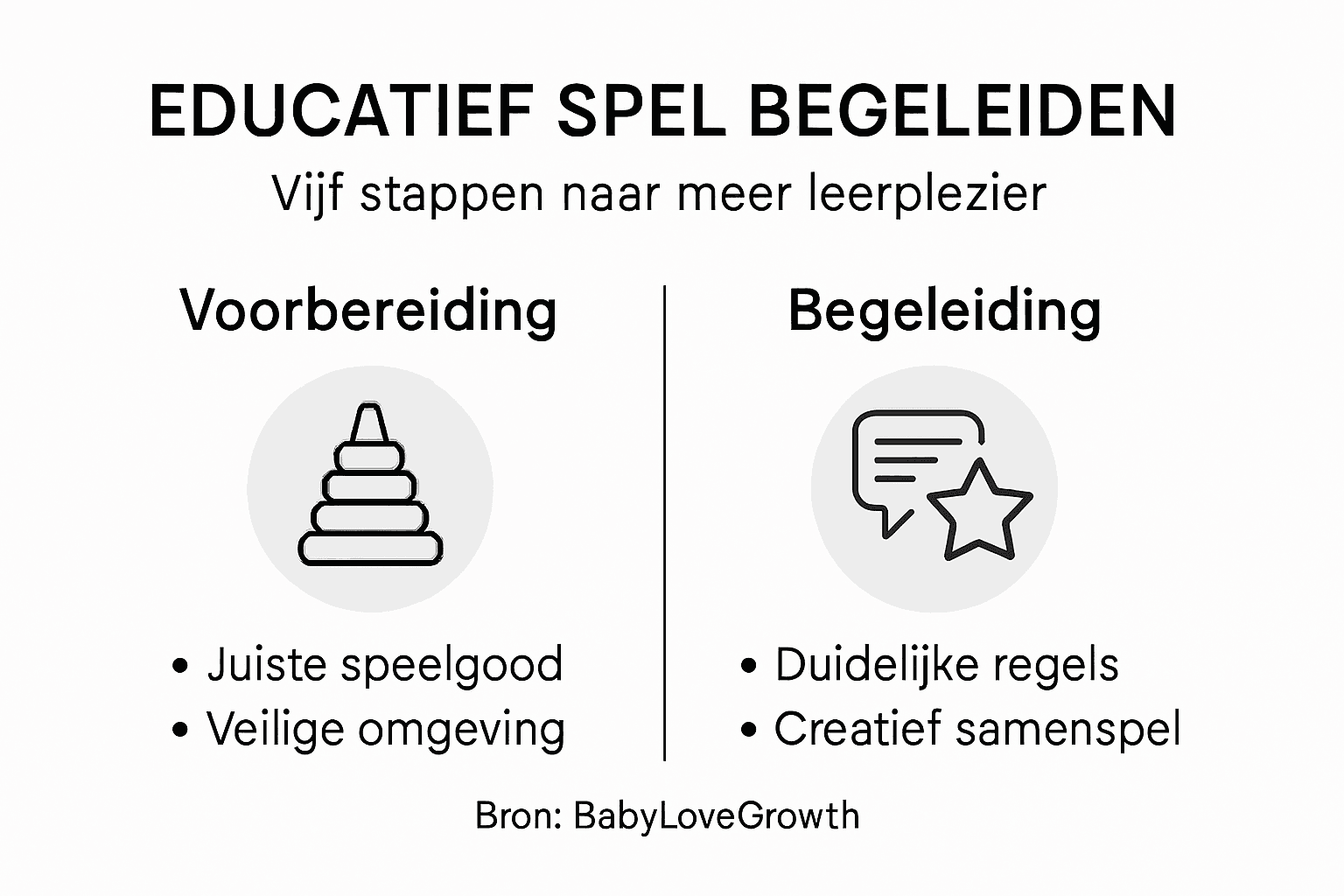
During play, pay close attention to how children work and what strategies they use. Observe their problem-solving and communication skills without directly intervening. If children get stuck, offer helpful hints or ask challenging questions that encourage them to think for themselves. The goal is to help them find solutions independently rather than preemptively formulate them.
Use open-ended questions that encourage children to verbalize their thought processes. Provide positive feedback on their efforts and creativity. Help them reflect on their approach by asking questions about how they arrived at a particular solution or what they would do differently next time.
Pro tip: Subtly record your child's developmental steps and learning moments so you can provide targeted support and encouragement.
Discover how magnetic toys optimally support educational play
Supporting educational play requires challenging and safe materials that encourage children to explore and play together. Our magnetic tile sets not only help children develop their fine motor skills and creativity, but also offer ample opportunities for problem-solving and collaboration. Toys like our Magnetic Orbit inspire children daily to build new shapes and structures appropriate for their developmental stage.
Want to effectively support your child's learning through play? Choose durable and safe magnetic toys from Tiles Minds. Discover our versatile collections, such as Tiles 125 Pieces , and start encouraging playtime and learning at home today. Experience the difference that focusing on safe and creative toys can make and give your child the best start in their journey of discovery.
Frequently Asked Questions
How do I choose the right educational toys for my child?
Choose educational toys that meet your child's developmental needs and encourage various learning goals. For example, consider construction toys or board games that promote collaboration and creativity. Start by observing your child's interests and skills to make the best choices.
What's the best way to create a safe play environment?
Ensure the play area is properly demarcated and minimize risks by removing sharp edges and loose parts. Regularly check safety features such as flooring and lighting, and use non-slip mats to prevent injuries.
How do I introduce game rules effectively?
Explain the basic rules in an understandable way, depending on your child's age. Demonstrate the rules and discuss situations like turn-taking and what's allowed and what's not, to ensure a good play experience.
Which activities encourage creative play between children?
Introduce collaborative activities that encourage children to solve problems together and think creatively. This can be done by choosing activities that align with their interests, such as group projects or collaborative games, which will improve their communication and collaboration.
How do I observe children during educational play without disturbing them?
Observe their interactions and problem-solving skills from the background. When they get stuck, offer targeted hints or ask open-ended questions that encourage them to think independently about solutions. This promotes their independence and fosters learning opportunities.
What are effective ways to increase learning outcomes from educational games?
Encourage reflection by evaluating with the children after the game what went well and what could be improved. Provide positive feedback and emphasize their creativity to enrich their learning experiences and motivate them for future games.