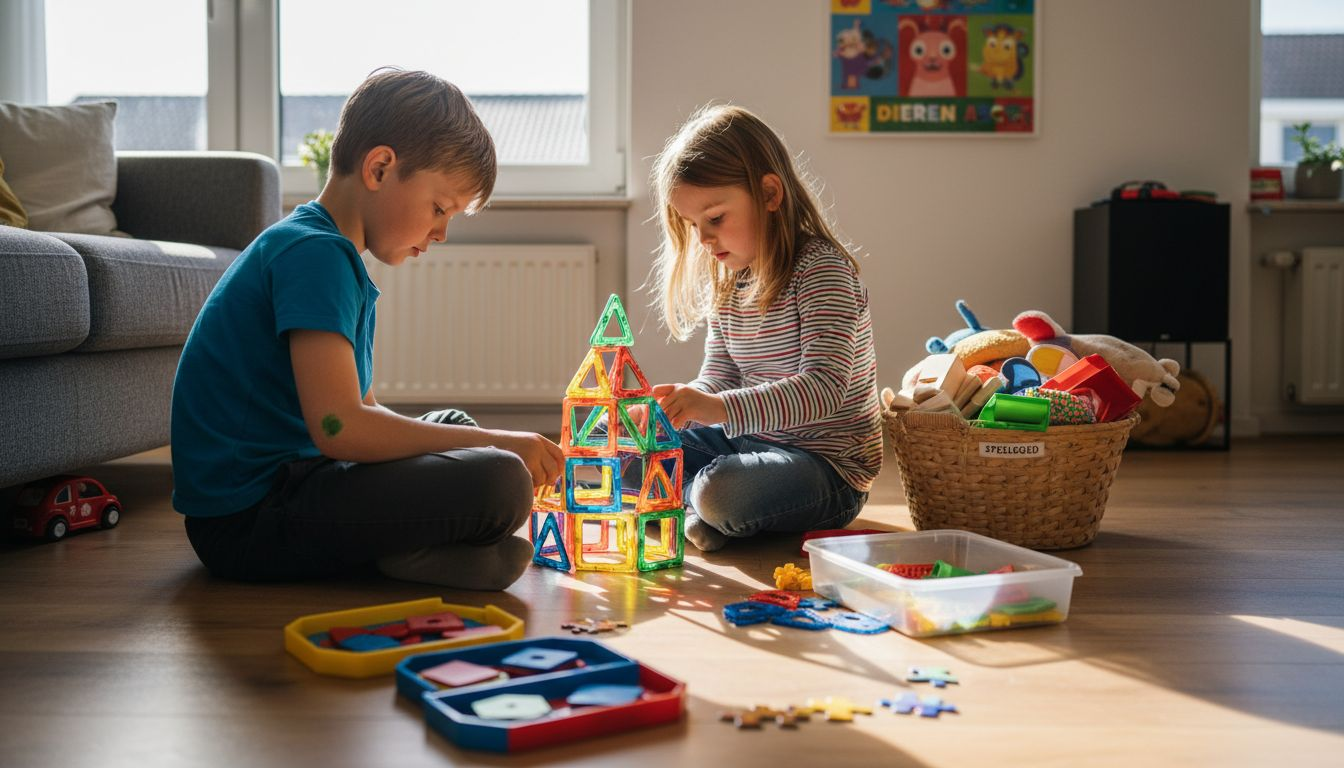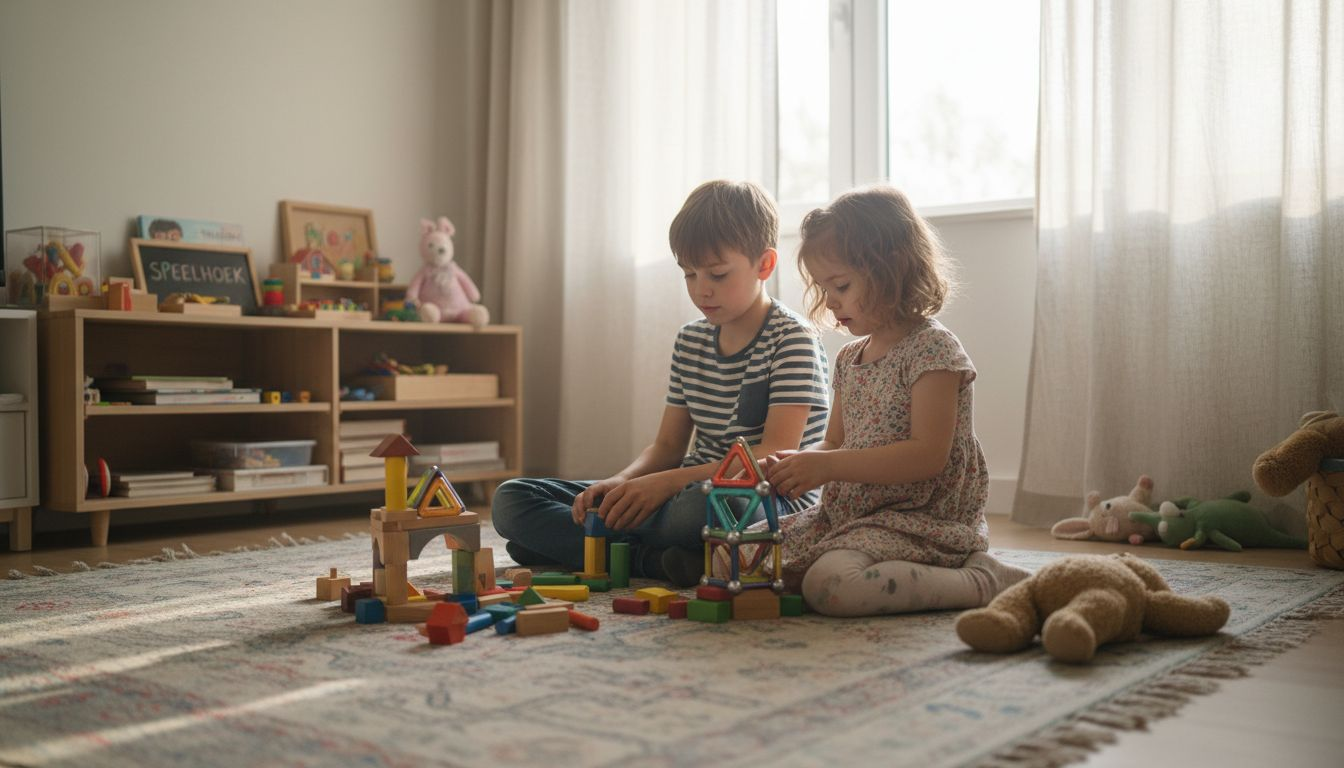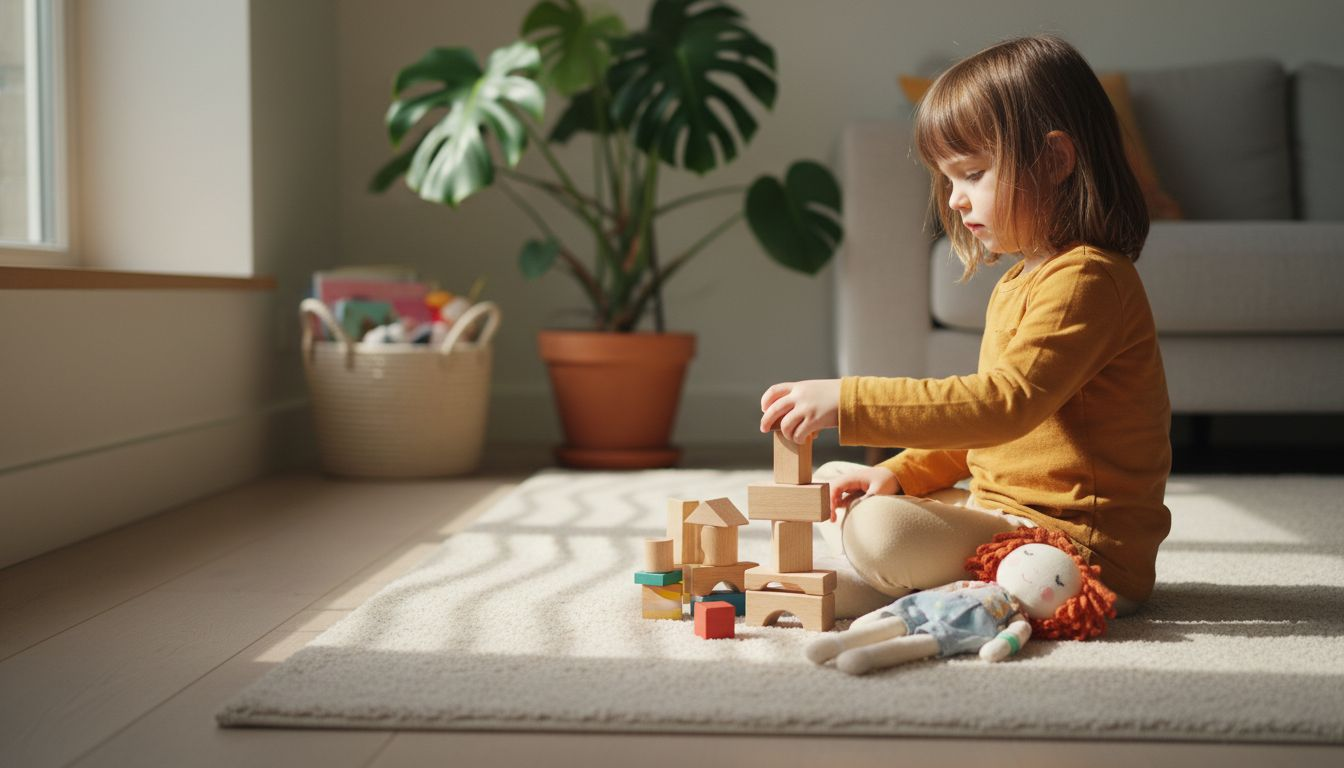
It's not easy for conscious parents in Central Europe to find toys that are truly safe, sustainable, and valuable for their child's development. The search raises questions about materials, production, and what truly contributes to creative play. In this article, you'll discover why sustainable toys go beyond environmental friendliness and how a smart choice positively impacts your child's well-being, safety, and imagination.
Table of contents
- Sustainable toys: definition and common misconceptions
- Materials and production processes of sustainable toys
- Different types and applications in children
- Safety, quality marks and legal requirements in Central Europe
- Advantages and disadvantages compared to traditional toys
Key insights
| Point | Details |
|---|---|
| Defining sustainable toys | Sustainable toys take into account environmental impact, child safety and ethical production. |
| Material use is crucial | Items must be made from renewable or recycled materials and free from harmful substances. |
| Educational value and creativity | Sustainable toys stimulate children's creativity and development through challenging and educational experiences. |
| Safety and regulations | Always check that toys comply with CE standards and pay attention to safety regulations for different age groups. |
Sustainable toys: definition and common misconceptions
Sustainable toys go far beyond mere environmental friendliness. It's a holistic approach to toys that considers the impact on the environment, children's health, and social production conditions. Sustainable production processes are part of a broader vision for responsible toys.
The definition of sustainable toys includes several critical aspects:
- Material use: Produced from renewable or recycled materials
- Safety: Minimal presence of harmful chemicals
- Educational value: Toys that support children's development
- Durability: High-quality construction that lasts
A common misconception is that sustainable toys are simply boring or less appealing. On the contrary, these toys are often more innovative, creative, and challenging than traditional toys. They not only stimulate the imagination but also help children interact more consciously with their environment.
Pro tip: When purchasing sustainable toys, don't just consider their environmental friendliness, but also their educational and developmental value for your child.
Materials and production processes of sustainable toys
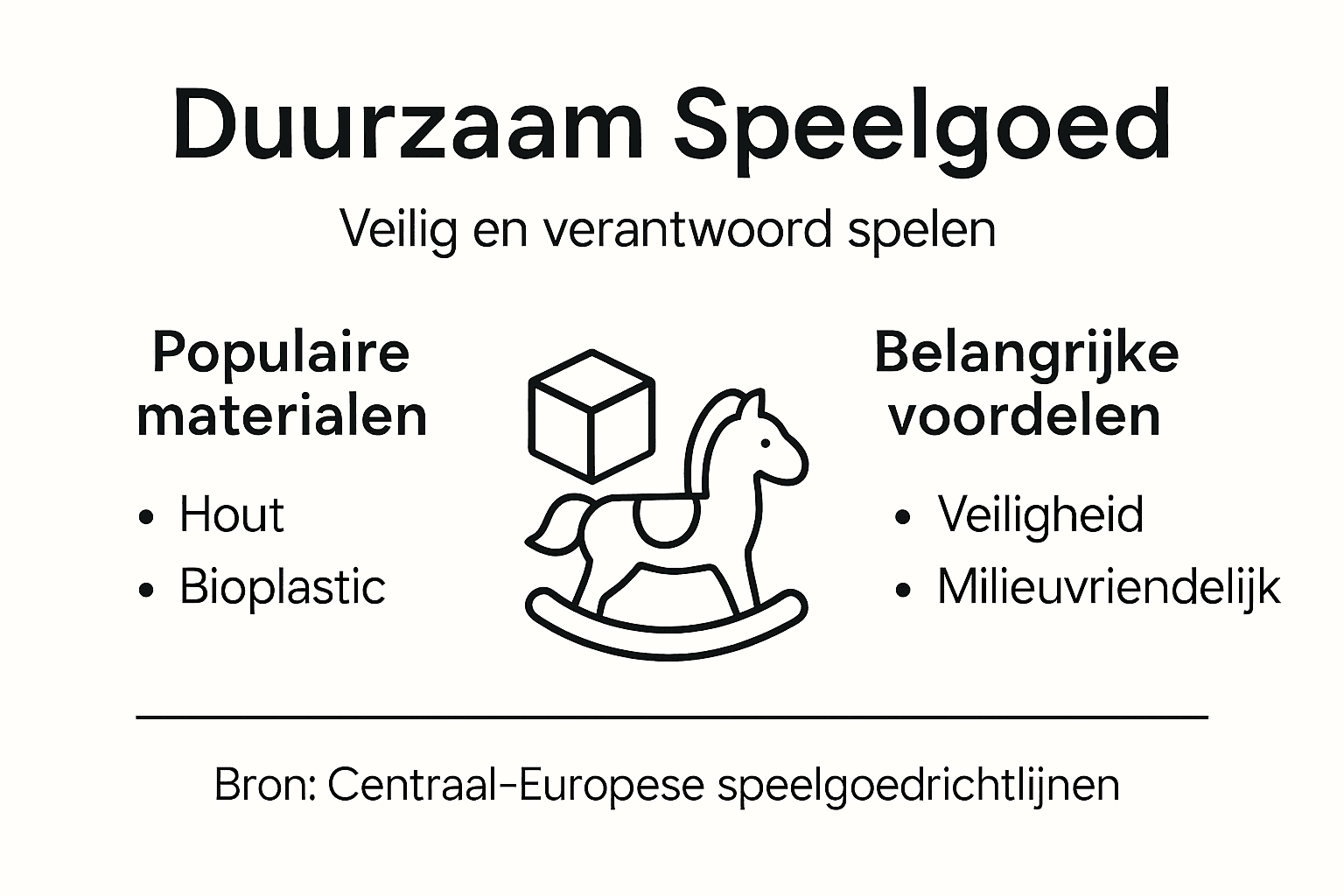
The choice of materials is crucial in the development of sustainable toys. Different materials have unique properties and environmental impacts. Circular design for children's toys focuses on safe, recyclable materials without harmful additives.
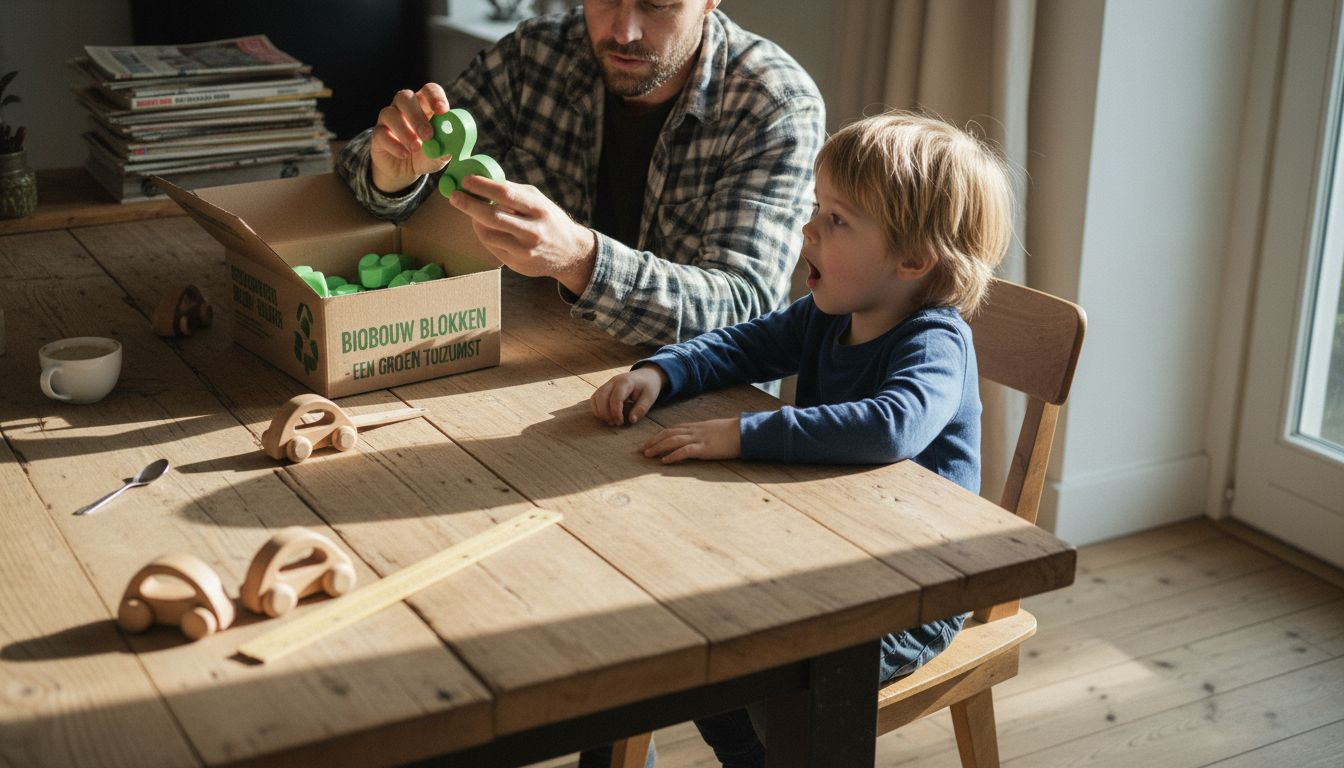
The most common materials for sustainable toys are:
Below is an overview of commonly used materials for sustainable toys, along with their unique properties and impact:
| Material | Unique Feature | Environmental benefit |
|---|---|---|
| Wood | Natural look | From forest management |
| Bioplastic | Plant-based | Reduces CO₂ emissions |
| Organic textiles | Soft and hypoallergenic | Made without chemicals |
| Recycled plastic | Sustainable reuse | Reduces waste stream |
- Wood: Natural, renewable and often sourced from sustainably managed forests
- Bioplastic: Made from renewable resources, less harmful to the environment
- Organic textiles: Such as untreated cotton or recycled fibers
- Recycled plastic: Reduces waste and reuses existing materials
When producing sustainable toys, several critical considerations must be taken into account. Manufacturers must pay attention not only to the choice of materials but also to the product's entire life cycle. This means paying attention to production processes, transport conditions, and ultimate recyclability.
Modern production methods for sustainable toys are increasingly focused on minimal environmental impact. They utilize energy-efficient production techniques, avoid harmful chemicals, and strive for maximum material efficiency.
Pro tip: When buying toys, don't just consider the price, but also the materials used and the production method for a truly sustainable choice.
Different types and applications in children
Sustainable toys for children are much more than just an environmentally friendly product. They're a strategic choice that supports children's development, creativity, and learning opportunities. Magnetic tiles, for example , can be a great way to distract children from screen time and stimulate their spatial thinking.
The different types of sustainable toys can be divided into the following categories:
The chart below compares different types of sustainable toys and their key development areas:
| Type of toy | Stimulates development | Characteristic advantage |
|---|---|---|
| Construction toys | Spatial insight | Promotes fine motor skills |
| Educational toys | Cognitive growth | Learning through play |
| Sensory toys | Sensory integration | Discovering materials |
| Role-playing material | Social skills | Fantasy and collaboration |
- Construction toys: Magnetic blocks, wooden building blocks
- Educational toys: Puzzles, math toys, nature exploration set
- Sensory Toys: Materials with Different Textures
- Role-playing materials: Wooden kitchens, dollhouses made from recycled materials
Each type of toy offers specific benefits for children's different developmental stages. Construction toys, for example, promote spatial awareness and fine motor skills, while educational toys enhance cognitive skills.
When choosing toys, it's important to consider not only the material but also the potential educational value and how it can stimulate children's natural curiosity. Sustainable toys are designed to challenge and inspire children while also being environmentally conscious.
Pro tip: Choose toys that stimulate multiple developmental areas at once and where fun and learning go hand in hand.
Safety, quality marks and legal requirements in Central Europe
In Central Europe, strict regulations apply to toys to ensure maximum safety for children. The European Toy Safety Directive 2009/48/EC establishes detailed safety standards that manufacturers must comply with.
Key safety aspects include:
- Physical safety: Check for sharp edges and small parts
- Chemical composition: Limitation of harmful substances
- Age-specific requirements: Adjusted standards per age category
- Electrical safety: Strict requirements for electronic toys
The CE mark is the official indication that a product meets all European safety standards. Parents should always look for this mark when purchasing toys. Additional, stricter safety regulations apply, especially for children under three years old.
New European legislation increasingly focuses on banning hazardous chemicals such as endocrine disruptors and PFAS. These regulations not only ensure safety within the EU but also protect against imported toys that do not meet these strict standards.
Pro tip: Always check the CE mark and age recommendation before purchasing toys for your child.
Advantages and disadvantages compared to traditional toys
When choosing toys, parents should consider several factors. Sustainable toys versus traditional plastic toys show clear differences in quality, safety, and environmental impact.
The main advantages and disadvantages can be summarized as follows:
Benefits of sustainable toys:
- No harmful chemicals
- Higher quality and longer lifespan
- Environmentally friendly production
- Stimulates creativity and educational play
Disadvantages of sustainable toys:
- Higher purchase price
- Sometimes more limited variation
- Fewer models available
- May be more vulnerable to wear and tear
Traditional plastic toys are often cheaper and more readily available, but they don't last as long and can contain potentially harmful substances. Sustainable toys, on the other hand, offer a more conscious choice for parents who value the environment and safety.
The final choice depends on personal preference, budget, and the child's specific needs. Some parents choose a combination of both types of toys to find the right balance.
Pro tip: Invest in a few high-quality, durable toys instead of bulky, cheap, disposable ones.
Discover safe and sustainable magnetic toys for your child
The article emphasizes the importance of choosing durable toys that are safe and stimulate children's creativity. Parents are looking for long-lasting, substance-free toys that also promote their child's development. Magnetic toys perfectly meet these needs because they are not only durable and safe, but also actively support children's fine motor skills and spatial awareness.
Explore the versatility of our Magnetic Orbit collection, specially designed to combine educational and creative play.
Choose responsible and enjoyable playtime now with our high-quality sets, such as the 125-Piece Tiles . Visit https://tilesminds.com and experience for yourself how safe, sustainable, and educational magnetic toys can be. Stimulate your child's imagination and development today with our sustainable solutions.
Frequently Asked Questions
What is sustainable toys?
Sustainable toys are toys that consider their impact on the environment, children's health, and social production conditions. They are made from renewable or recycled materials and have a high educational value.
Which materials are often used in sustainable toys?
Common materials for sustainable toys include wood, bioplastics, organic textiles, and recycled plastic. These materials are chosen for their environmental benefits and safety for children.
How do sustainable toys contribute to children's development?
Sustainable toys stimulate development by offering educational value, creative opportunities, and social interaction. They support various developmental areas, such as cognitive skills and motor skills.
What are the safety standards for toys in Europe?
In Europe, toy products must comply with strict safety standards, such as the European Toy Safety Directive. This includes checking for physical safety, chemical composition, and specific requirements for each age group.