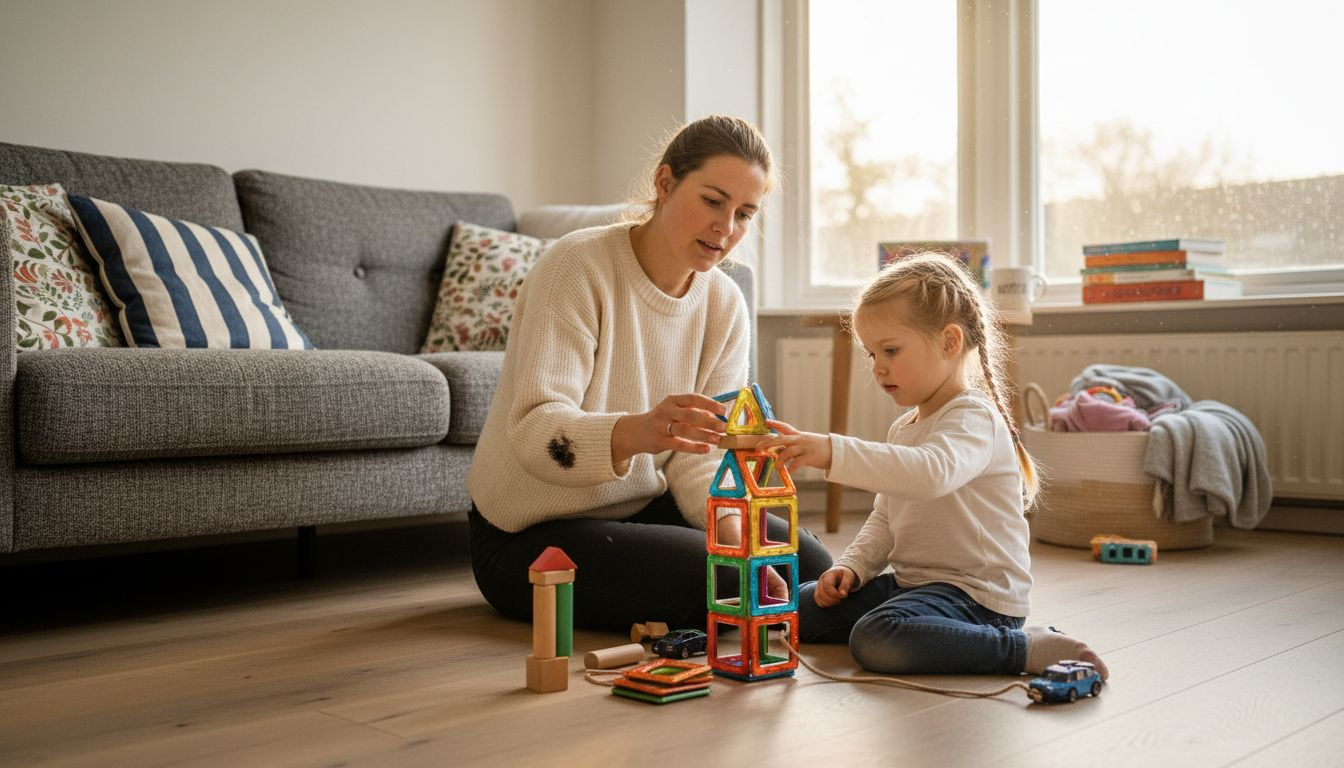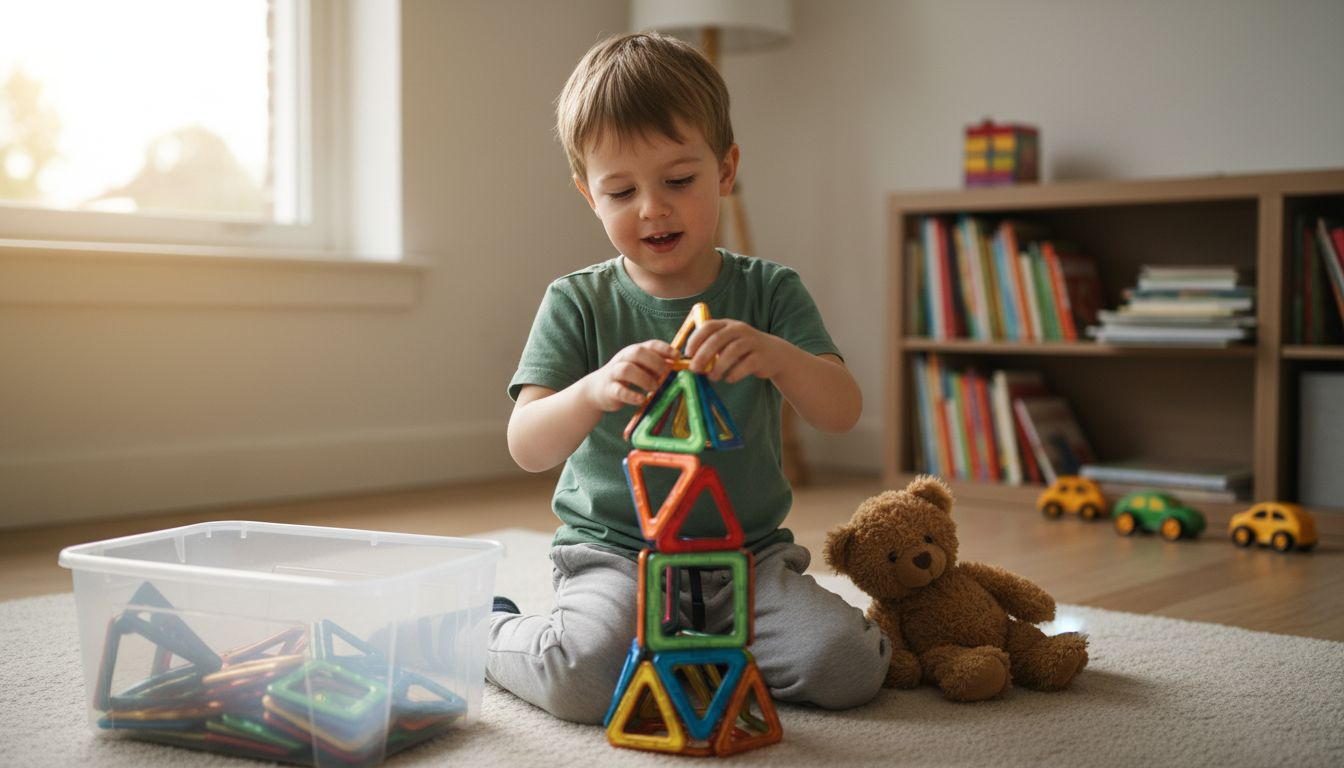
Every parent wonders which toys are truly right for their child. The development of children between the ages of three and eight varies greatly depending on the age group, which can sometimes make choosing difficult. According to the Netherlands Youth Institute, clear patterns can be observed in the emotional, social, and motor development of children in Central Europe. Toys that align with these patterns playfully stimulate new skills and provide more fun. This article will explain step-by-step how to select magnetic toys that are safe, educational, and creative.
Table of contents
- Step 1: Analyze your child's needs by age
- Step 2: Select suitable safe magnetic toys
- Step 3: Evaluate creative and educational play opportunities
- Step 4: Test the toys together for engagement
- Step 5: Check whether the toy stimulates development
Short Summary
| Important Point | Explanation |
|---|---|
| 1. Understand the needs by age | Observe what your child likes to do, as this will help you choose the right toys. |
| 2. Choose safe magnetic toys | Check for safety certifications and ensure the toys meet strict standards. |
| 3. Evaluate educational opportunities | See how the toys stimulate your child's motor, creative and social skills. |
| 4. Test toys together | Play together with your child to see if the toy holds their attention and provides fun. |
| 5. Observe developmental progress | After a few weeks, evaluate whether your child has developed new skills through the toy. |
Step 1: Analyze your child's needs by age
Before you choose toys, you need to understand what your child is actually doing. Not all children of the same age have the same needs, but there are clear patterns in how they develop. This step will help you see exactly which toys meet your child's current needs for healthy growth.
Start by observing what your child likes to do. Is your child already playing with shapes and colors, or does your child focus primarily on touching and feeling things? Children develop in very different ways at different ages . A three-year-old needs very different toys than a six-year-old. A young toddler prefers to build with large, sturdy blocks that fit easily in small hands. An older child wants something more complex, something more challenging. So pay close attention to how your child plays now. Do they grasp things easily with their fingers? Can they stay focused? Do they like to play alone or do they seek help?
The next step is to consider your child's emotional and social needs. Does your child crave peace and quiet activities, or adventurous play? Does your child enjoy playing with you or other children, or does your child prefer to play at their own pace? These observations will help you make much better choices. Toys that connect with your child's feelings and thoughts will be used much more and have much more value. Parents who pay attention to this will see their child enjoy playing much more and learn much more.
Practical tip: For a week, keep track of what your child enjoys playing and which activities they can retain the longest. This will give you a clear picture of your child's true needs and interests, much better than guessing or hearing from others.
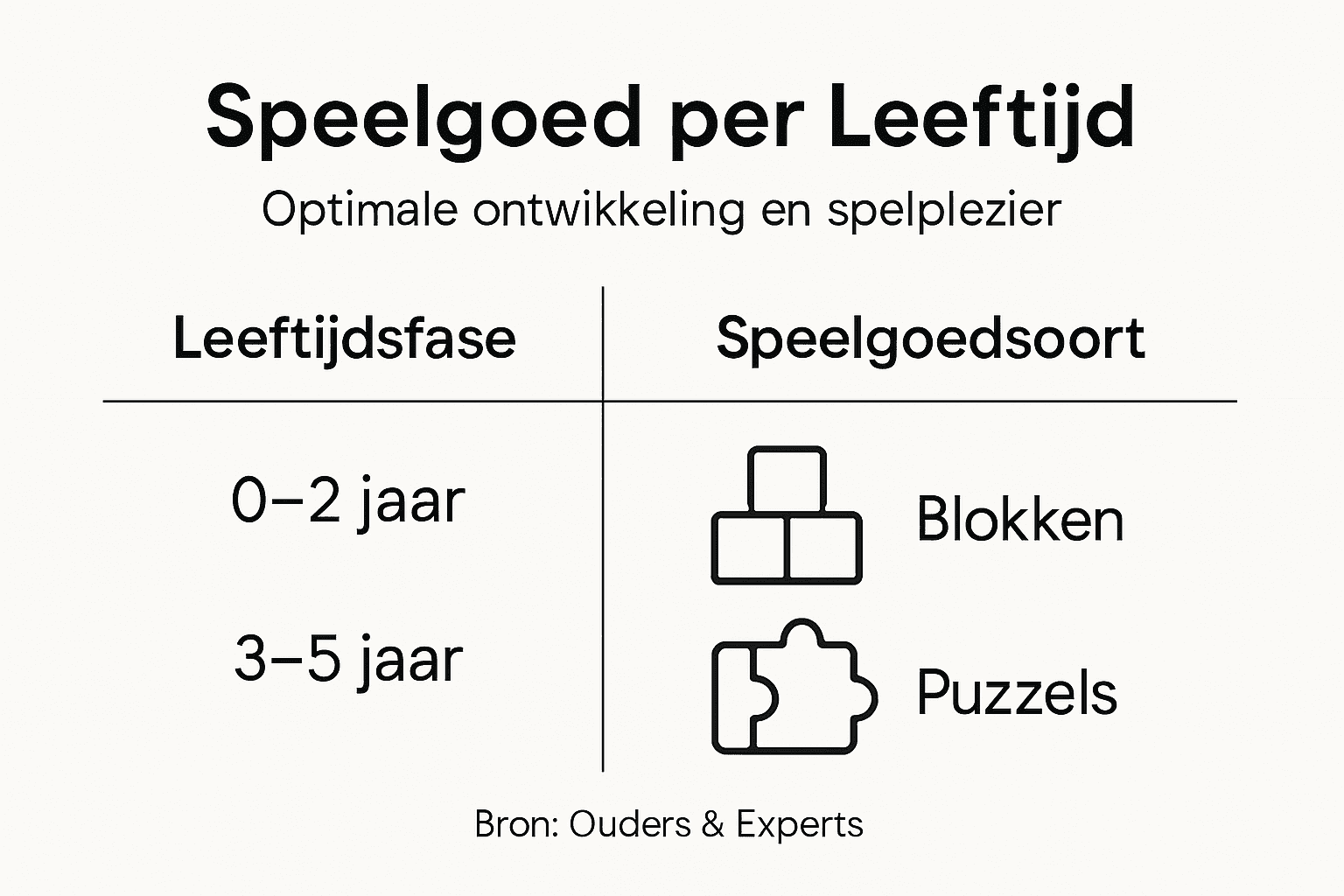
Below you will find an overview of toy needs per age group:
| Age | Most important need | Suitable toys |
|---|---|---|
| 1-2 years | Discover by feeling and touching | Large blocks, textured toys |
| 3-4 years | Build, combine, be creative | Magnetic sets, puzzles |
| 5-6 years | Challenge, collaboration, imagination | Complex building sets, role-playing |
Step 2: Select suitable safe magnetic toys
Now that you know what your child needs, it's time to choose toys that not only meet those needs but are also completely safe. Safety is paramount, especially with magnetic toys. This step will help you understand which toys are truly good for your child.
Start by checking safety certificates. Good magnetic toys must meet strict European standards. Magnetic toy safety is established in very detailed regulations. Look for the CE mark on the packaging; this means the toy meets all requirements. Also check that the magnets are securely attached and don't come loose. Small, loose magnets actually pose the biggest safety risk. If your child can lift magnets without damaging them, they're not properly attached. Always read the manufacturer's instructions. Reputable manufacturers clearly state the age range of the toy and what parents need to know.
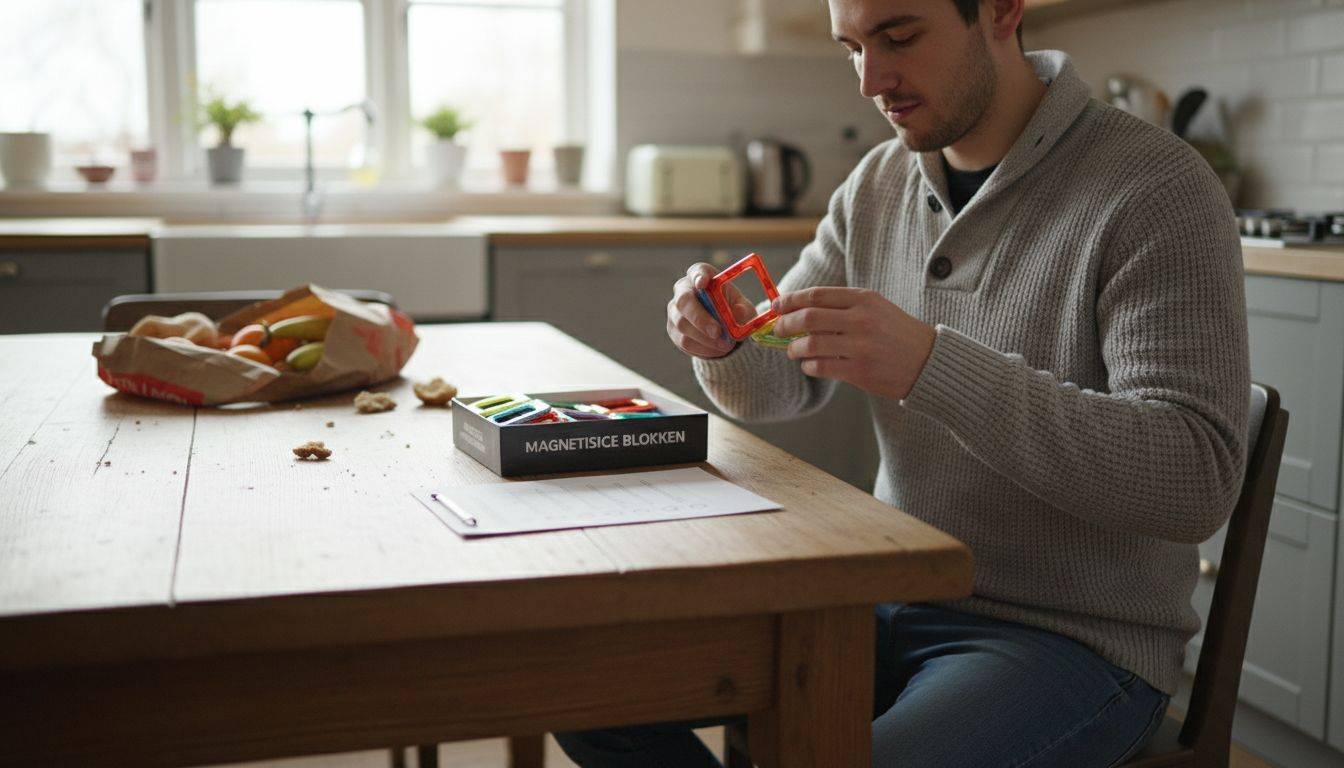
Next, check the quality of the materials. Toys should be free of toxic substances like BPA and phthalates. Good sets feel sturdy, have no sharp edges, and the colors shouldn't chip. When you touch a toy, you can quickly feel its quality. Pieces should be large enough so they can't get stuck in your child's throat. For children under three, extra caution is required. Ask yourself: Could my child swallow this? Well-designed magnetic toys have all the pieces large enough. The difference between safe and unsafe toys often lies in these small details. Take the time to hold a toy before buying it.
Practical tip: Always check other parents' reviews of the same toy, especially for reports of magnets coming loose or parts coming off unexpectedly. Other families' experiences will give you valuable insight into how the toy actually works in practice.
Step 3: Evaluate creative and educational play opportunities
Now that you've chosen safe toys, it's time to think about what your child will actually learn from them. Good toys do more than just provide fun. They help your child grow in ways you might not immediately see. This step is about understanding the toys' true educational value.
Start by exploring how your child's motor skills can develop with these toys. Educational toys naturally stimulate motor and cognitive skills . Building blocks train your child's fine motor skills while simultaneously developing spatial awareness. Ask yourself: should my child grasp, twist, balance, or concentrate? Each of these skills is important. Good magnetic toys work on multiple levels simultaneously. Your child will feel the magnets connect, see the shapes grow together into something bigger, and think about what to build next. All of this happens in a single moment.
Next, consider the creative possibilities. Can your child only make one thing with this toy, or are the possibilities almost endless? Toys that offer true creative freedom invite your child to decide what to build. Today a rocket, tomorrow a farm. This flexibility is crucial. It encourages your child to experiment, make mistakes, and try again. That's where real learning happens. Social learning is also important. Does your child enjoy playing with siblings or friends? Then the toy should encourage collaborative building. Does your child prefer to play alone? Then the toy should allow for that too. Both are okay, as long as the toy reflects your child's play style.
Also pay attention to the balance between structure and freedom. Too many pre-set instructions make toys boring. Too little guidance can be frustrating. Ideal toys offer plenty of suggestions for inspiration, but leave your child free to forge their own path.
Practical tip: Give your child the toy without many instructions and observe how they play for twenty minutes. Does your child see ways to use it again and again? Is they fascinated or does they get used to it quickly? This tells you much more about its true educational value than what's written on the packaging.
Step 4: Test the toys together for engagement
Now's the time to really try out the toys. This is not only fun, but it also gives you valuable information about how well the toy actually works for your child. By playing together, you'll immediately see if the toy meets your child's needs.
Start with a quiet moment without distractions. Place the toys on the table or floor and give your child space to explore them. Don't join in immediately, but observe what your child does. What does your child grab first? How long does your child keep playing with it? Does your child try to connect things? Engagement and enjoyment are key to determining whether a toy is truly suitable. You'll quickly see whether your child is fascinated or bored. Look at their facial expression. A focused child looks different from an uninterested one. True engagement is evident in small things: your child isn't sighing, isn't constantly looking to you for help, and doesn't simply put the toy down.
After a few minutes, you can gently join in. Build something simple and show them what you've made. This will inspire your child without taking away the fun. Listen carefully to what your child says about the toy. Does your child find it difficult or too easy? Does something hurt little fingers? Are the magnets strong enough? This kind of practical information is invaluable. You can also experiment together. What happens if you build something very high? Can your child build it alone, or do you need support? Does it play better with other children around?
It's important that you don't consider any play style as wrong. Maybe your child isn't building what you expected. Maybe your child is throwing pieces around instead of building. This is all okay and part of learning. After twenty to thirty minutes of play, you'll have enough information to know if this toy actually fits.
Practical tip: After playing, write down three things: what your child enjoyed doing, how long their attention span lasted, and whether they naturally return to the toy. These simple observations will help you decide if you want more of this type of toy.
Step 5: Check whether the toy stimulates development
After a few weeks of play, it's time to truly evaluate whether the toy contributes to your child's growth. This isn't the same as whether your child enjoys it. Toys can be enjoyable but not truly stimulate development. This step helps you see if your investment is truly worth it.
Start by observing whether your child is developing new skills. Can your child hold things better than before? Does your child concentrate for longer? Does your child dare to try more? Toys should align with developmental stages and stimulate cognitive growth. Look specifically at three areas: motor skills, creative thinking, and social learning. With motor skills, pay attention to hand grip, fine motor skills, and coordination. With creativity, you'll see whether your child comes up with new constructions or builds the same things over and over again. With social learning, you'll notice whether your child collaborates better or communicates more friendly.
Many parents notice subtle but important changes. Your child suddenly asks for help at a different time instead of immediately. Your child talks about what they've built with more words. Your child builds together with siblings without arguing. These are all signs that the toys are working well. It's also important that your child continues to return to the toys. Toys that are truly stimulating don't get boring. Each time, your child plays differently and discovers something new.
Here is a comparison of developmental areas that can be stimulated with magnetic toys:
| Development area | Characteristic of progress | Example during play |
|---|---|---|
| Motor skills | Better grip, stable stacking | Building small structures |
| Creative thinking | Devising new solutions | Create your own designs |
| Social learning | Consult and build together | Playing with friends or family |
Also, be honest about what doesn't work. Toys that are too difficult are frustrating. Toys that are too easy are boring. It doesn't have to be perfect, but it has to be a good fit. If you notice something isn't working after four to six weeks, you'll know enough. It's better to accept this quickly than to hope it will get better.
Practical tip: Compare your current observations with notes from four weeks ago. Check whether your child can do more things, plays longer, or makes freer constructions. This concrete comparison reveals whether real development is taking place more clearly than your feelings alone.
Choose Toys That Easily Grow With Your Child
Choosing the right toys for each age group can be challenging. You want something that's not only safe but also helps develop your child's creative and motor skills. The article emphasizes the importance of choosing toys that meet your little one's needs both emotionally and educationally. With this in mind, TilesMinds Magnetic Orbit offers a versatile collection of magnetic toys that encourages children to build, explore, and imagine at every developmental stage.
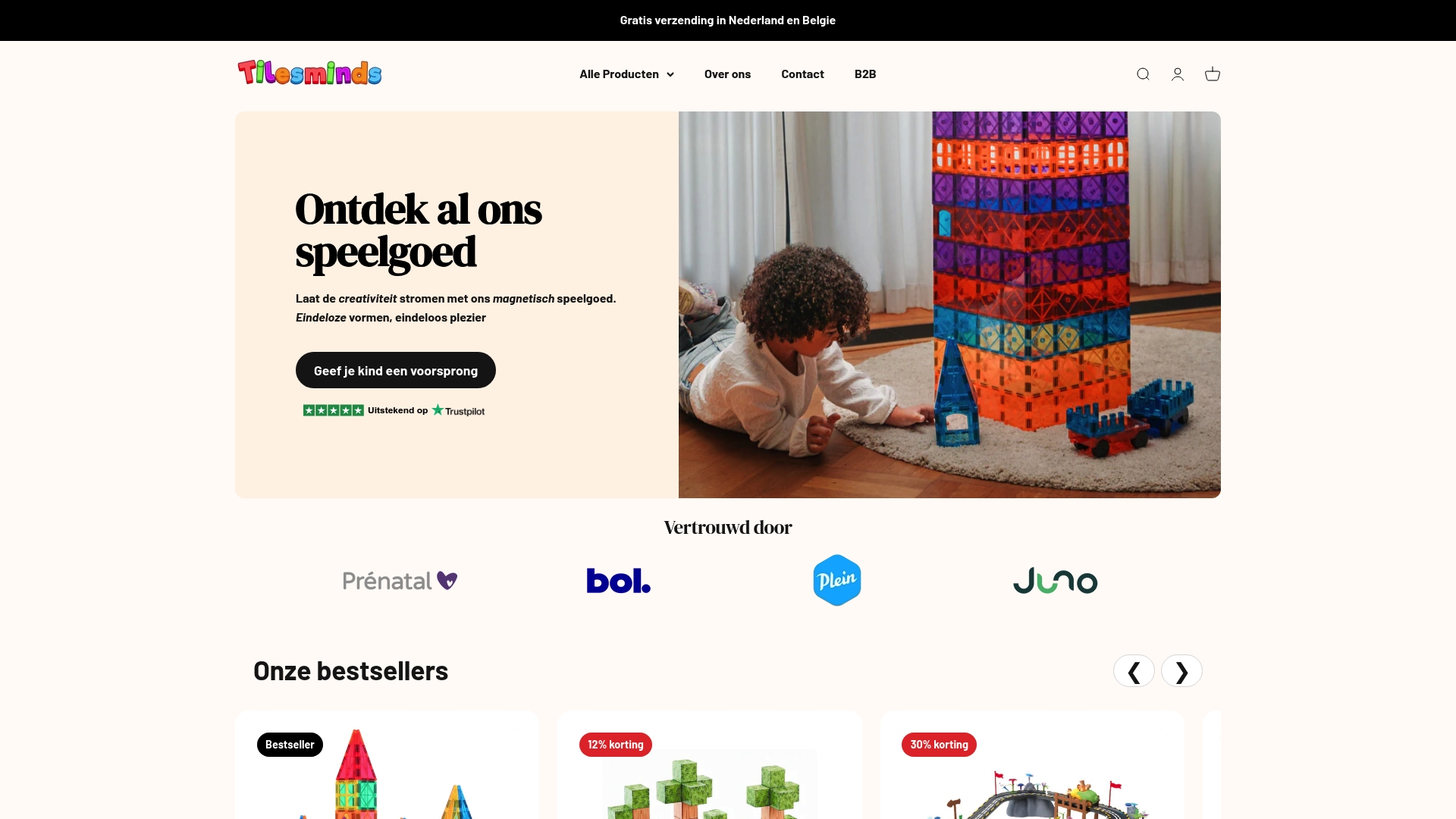
Experience for yourself how easy it is to invest in sustainable and safe toys that truly stimulate. Whether you're looking for building sets for a toddler, challenging creations for a preschooler, or accessories for even more extensive play possibilities, quickly browse the selection at TilesMinds . Start supporting your child's growth today with toys that continue to engage and challenge.
Frequently Asked Questions
How do I choose the right toys for my child's age?
Choose toys that meet your child's developmental needs at each age. Start by observing what your child enjoys and what skills they're developing. Keep notes on what your child plays with most during the week, and then choose toys that align with that.
What are important safety features for magnetic toys?
Make sure the magnetic toys meet safety standards and are CE marked. Check that the magnets are securely attached and that there are no small, loose parts that could pose a choking hazard. Take the time to check the toys for quality and safety before purchasing.
How can I evaluate the educational value of toys?
Evaluate the educational value of toys by paying attention to the motor, creative, and social skills they stimulate. Observe how your child uses the toys and whether they develop new skills. Also, try playing together to see how your child reacts and whether it encourages playtime with others.
What signals indicate that toys are well-suited to my child's development?
Look for signs such as improved motor skills, increased attention span, and creativity during play. If your child enjoys returning to the toy and comes up with new ways to use it, that's a good sign that the toy is valuable for their development.
How long should I let my child try out your toys?
Have your child test the toy for at least twenty to thirty minutes to get a good idea of its impact on their enjoyment and engagement. Observe their reactions and play patterns, and take notes about their interactions with the toy.
What if the selected toy doesn't work well for my child?
If the toy doesn't seem to be working after four to six weeks, be honest and consider stopping using it. Look at the specific reasons: is it too difficult or too easy? It's important to choose toys that are well-suited to your child's needs and skill level.