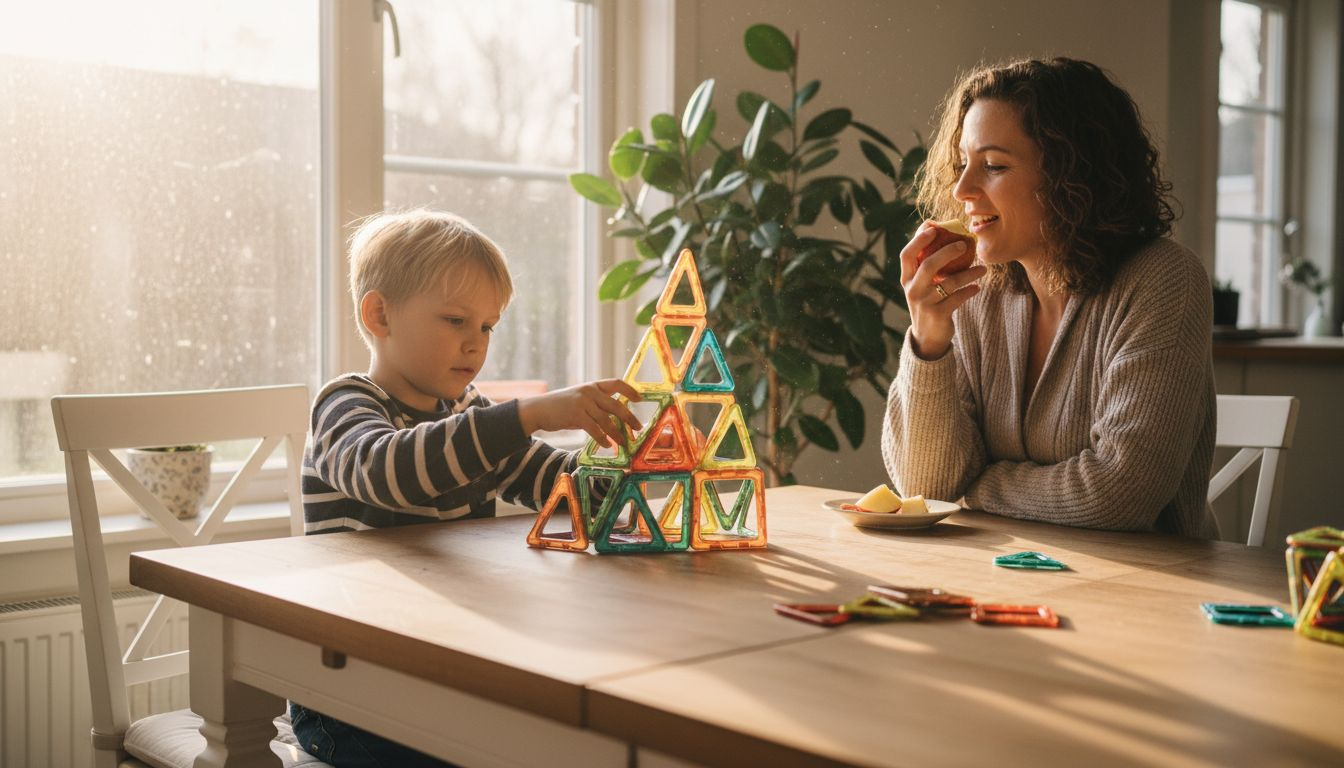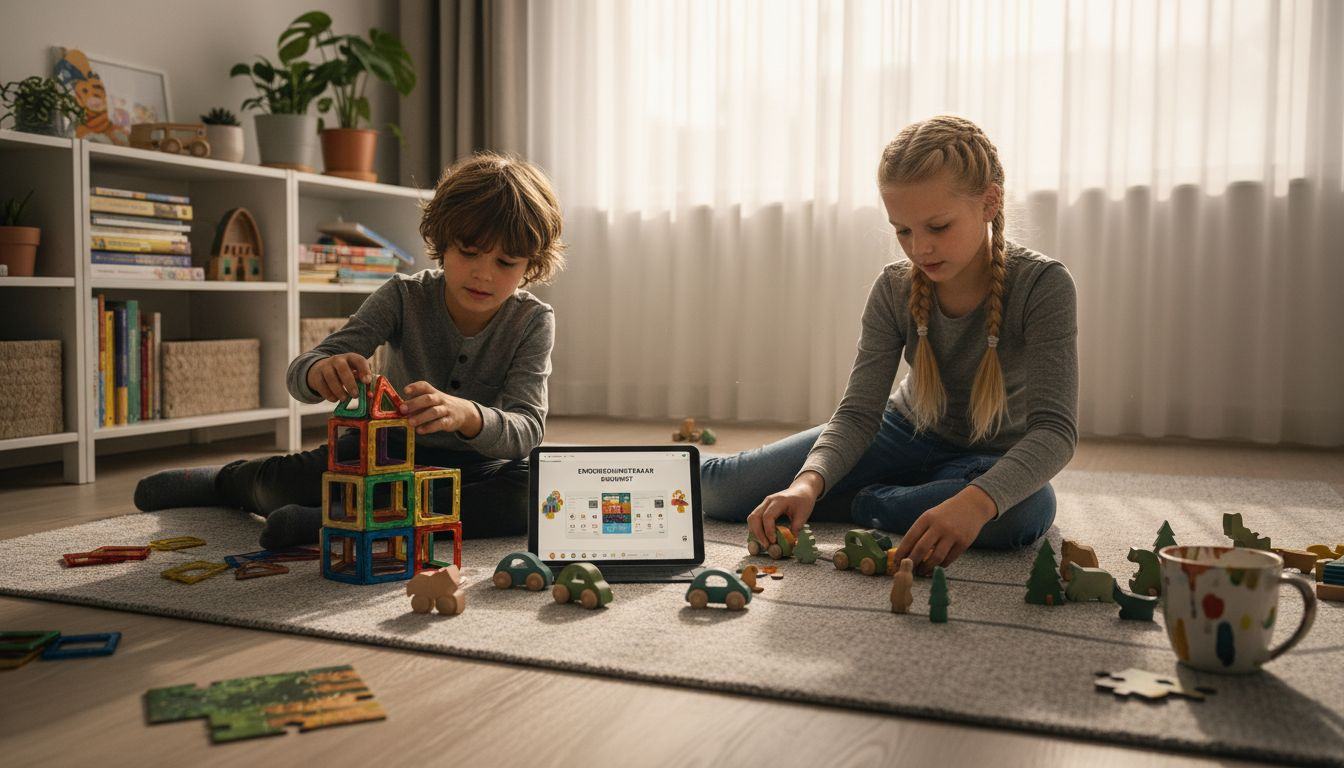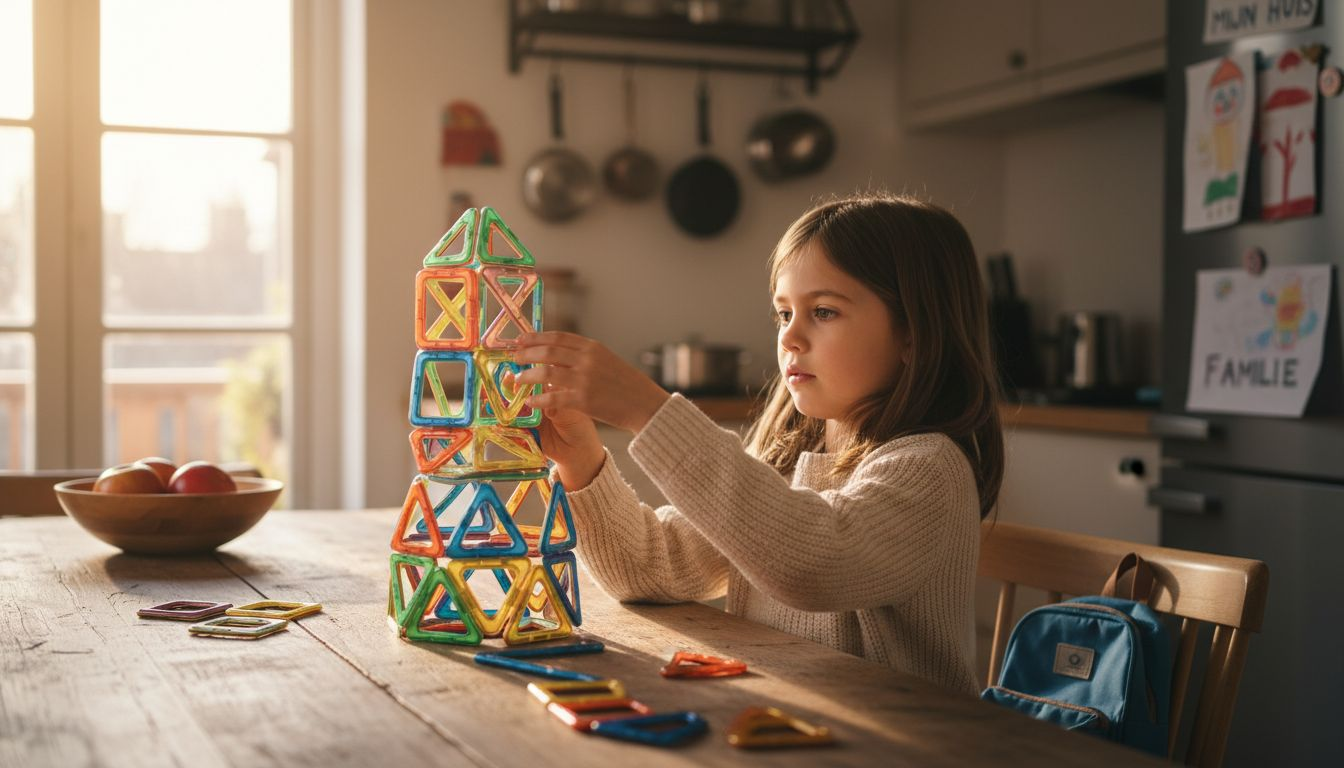
Every parent wants the best for their child, especially when it comes to development and safety during play. Magnetic toys aren't just fun; they also offer tangible benefits, such as stimulating motor skills, spatial awareness, and creativity from an early age. For families in Central Europe with curious children, this article will help them find toys that are age-appropriate and developmentally appropriate, ensuring carefree playtime.
Table of contents
- Step 1: Select suitable magnetic toys
- Step 2: Prepare a safe and stimulating play area
- Step 3: Introduce educational play opportunities
- Step 4: Guide and encourage creative building
- Step 5: Evaluate development and playing success
Short Summary
| Important Point | Explanation |
|---|---|
| 1. Select suitable toys | Choose magnetic toys based on your child's age and skills for optimal development. |
| 2. Create a safe play area | Provide a well-equipped play area with no suffocation hazards and adequate lighting. |
| 3. Introduce educational activities | Use the toys to learn math, shapes and colors through play. |
| 4. Encourage creative building | Encourage your child to experiment and be creative with the building possibilities. |
| 5. Evaluate playing success | Monitor your child's progress and reward creativity to increase motivation and focus. |
Step 1: Select suitable magnetic toys
Selecting the right magnetic toys starts with a good understanding of your child's age and abilities. Magnetic toys offer great opportunities for educational and creative play, but choosing the right set requires careful consideration.
When selecting magnetic toys, there are some crucial aspects to consider:
- Age Appropriateness : Choose sets that suit your child's developmental stage
- Safety : Pay attention to the size of the parts and the quality of the magnets.
- Difficulty Level : Select toys that offer a mild challenge
- Material : Choose durable and safe materials
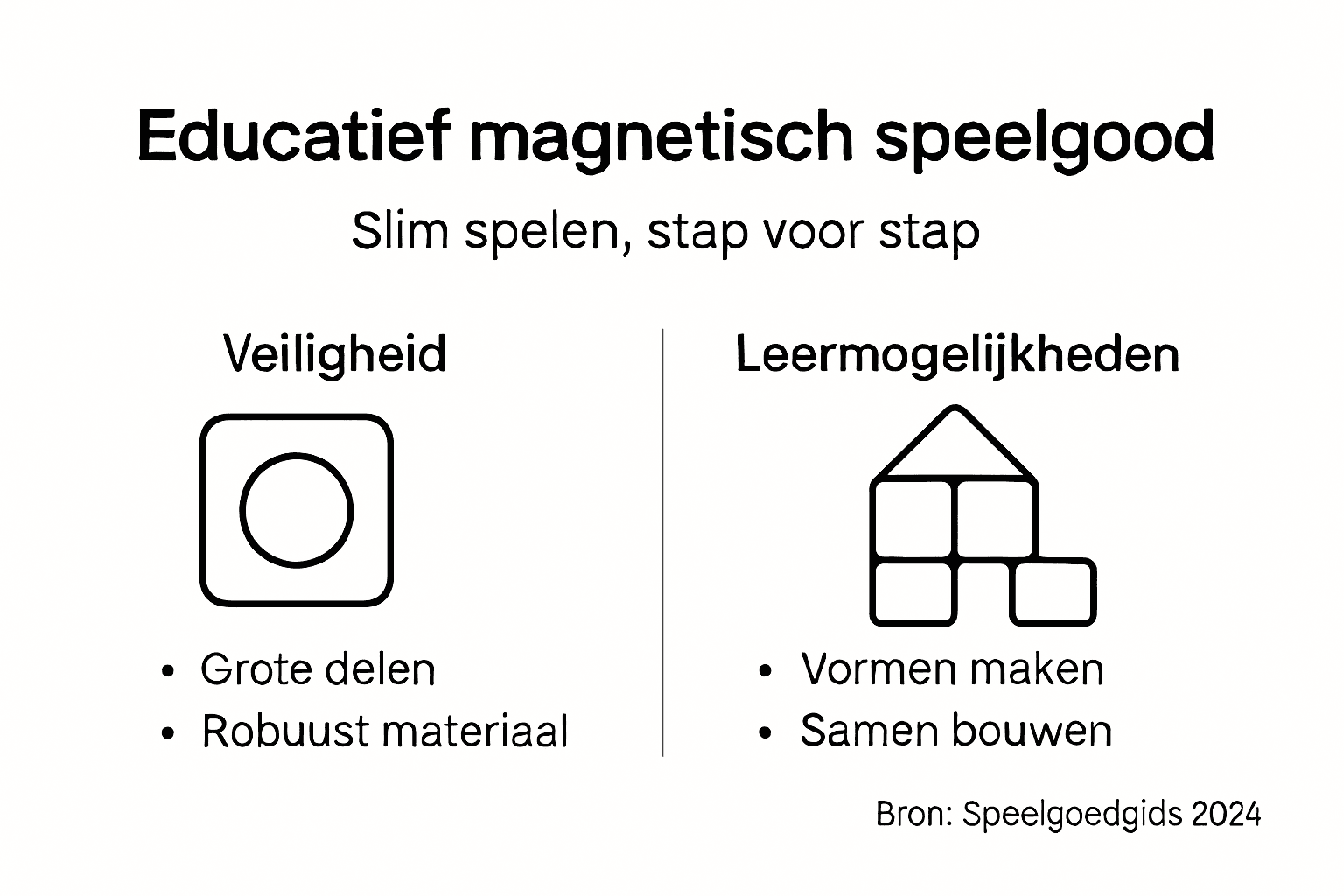
For young children, large, safe components are essential, while older children can handle more challenging and complex building sets. A good set not only stimulates motor skills but also promotes spatial awareness and problem-solving.
Below you will find an overview of magnetic toys by age group and their benefits:
| Age group | Recommended toy type | Skills being developed |
|---|---|---|
| 1-3 years | Large, safe blocks | Motor skills, hand-eye coordination |
| 4-6 years | Creative building sets | Spatial insight, imagination |
| 7-10 years | Complex constructions | Problem-solving thinking, technology |
This table will help you choose the right toys for your child's development.
Choose magnetic toys that balance safety, educational value, and fun.
Pro tip: Always check the age recommendation on the packaging and pay attention to the size of the magnetic parts to ensure safety.
Step 2: Prepare a safe and stimulating play area
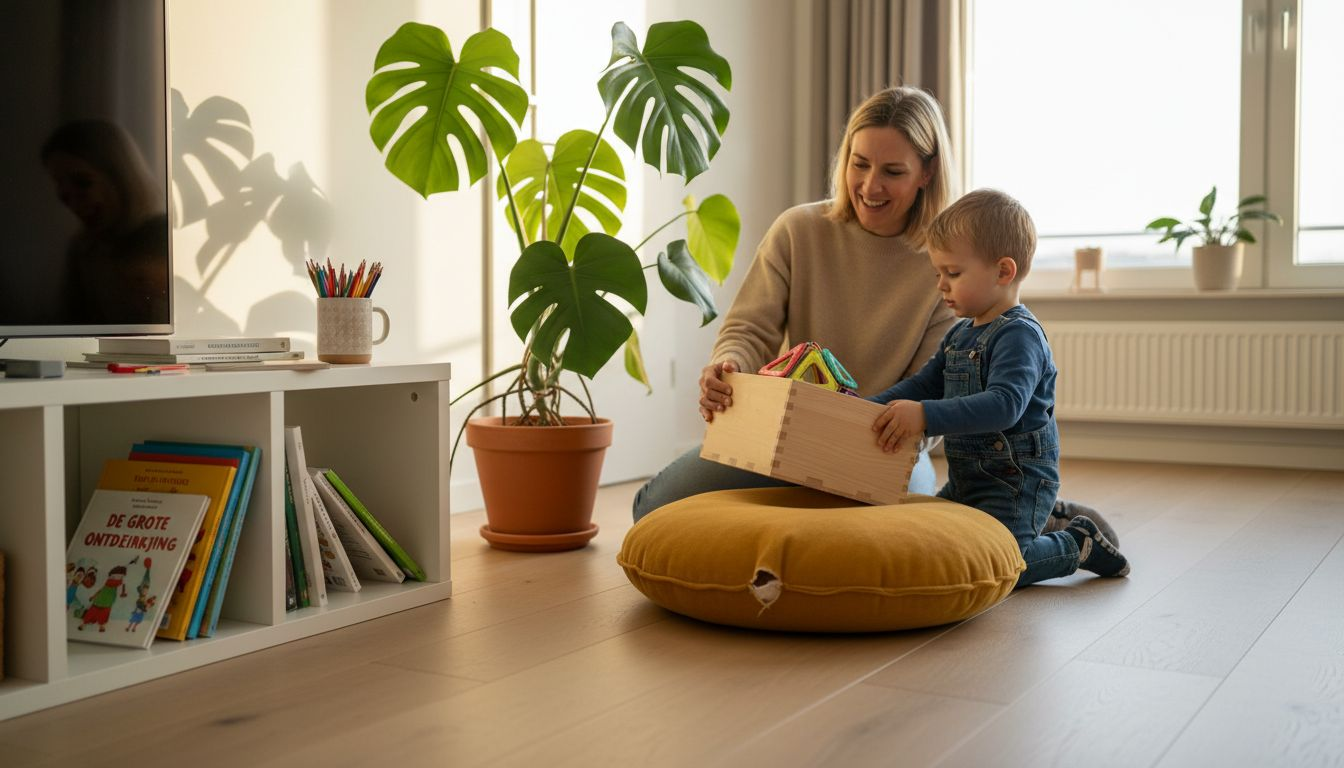
Creating a safe and engaging play area for magnetic toys requires careful planning and attention to detail. A well-designed play area stimulates creativity and supports your child's development.
When setting up the play corner, some essential aspects are important:
- Location : Choose a quiet, well-lit area with plenty of room to move around
- Safety : Remove small objects that may cause choking.
- Lighting : Provide natural daylight or good lighting
- Organization : Use clear storage solutions for toys
- Surface : Choose a flat, stable surface for building
When creating the play area, it's important to consider your child's age and abilities. Make sure the magnets are sturdy and won't come loose, especially with young children.
A well-designed play area is more than just a place to play – it's a space for learning, discovery and growth.
Pro tip: Involve your child in setting up the play corner and make agreements together about safe and careful play with magnetic toys.
Step 3: Introduce educational play opportunities
Magnetic toys offer great opportunities to combine learning and play in a fun way. Creative activities stimulate problem-solving and make educational play appealing to children.
Here are some inspiring ways to introduce educational play opportunities:
- Shapes and Patterns : Have children recreate geometric shapes
- Counting and Arithmetic : Use magnetic blocks for simple arithmetic tasks
- Letter and Word Construction : Create words or alphabet constructions
- Spatial Insight : Build complex 3D structures together
- Color Recognition : Sort and combine magnetic parts by color
When introducing these activities, it's important to start with simple challenges and gradually increase the difficulty. Make sure the game remains inviting and doesn't become too academic.
Educational play is only truly successful when children are having fun and don't realize they are learning.
Pro tip: Change activities regularly and let your child take initiative to keep their engagement and motivation to learn alive.
Step 4: Guide and encourage creative building
Creative building with magnetic toys is a great way to develop children's imaginations and cognitive skills. By allowing children to experiment, explore, and learn, we can stimulate their development in a playful way.
Here are some strategies to support creative building:
- Start Simple : Start with Basic Building Challenges
- Encourage Experimentation : Leave room for your own interpretations
- Ask Open Questions : Encourage critical thinking during construction
- Demonstrate Techniques : Show how different shapes can be combined
- Four Attempts : Reward creativity, not just perfect results
It's important to adapt to the child's age and developmental stage. Young children require different guidance than older children, so always adapt your approach.
Creative building is not the end result, but the process of discovery and growth.
Pro tip: Observe how your child builds and use those insights to subtly introduce new challenges without disrupting the joy of play.
Step 5: Evaluate development and playing success
Systematically evaluating your child's progress with magnetic toys is crucial for continued growth and enjoyment. Magnetic toys offer unique opportunities for developmental assessment because of the various skills they stimulate.
When evaluating playing success, the following aspects are important:
- Creativity Development : Look at the complexity of the structures
- Motor Skills : Observe the accuracy of actions
- Problem Solving Skills : Pay attention to how your child approaches challenges
- Concentration time : Register how long your child plays with concentration
- Fun and Motivation : Pay attention to enthusiasm and enjoyment of playing
During the evaluation, it's essential not to be judgmental, but supportive and encouraging. It's about understanding your child and recognizing their unique developmental path.
Here you will find a concise overview of evaluation methods and benefits when playing:
| Evaluation method | What is being observed | Benefit for the child |
|---|---|---|
| Taking construction photos | Visual progression | Pride and motivation |
| Conducting conversations | Understanding of approach and choices | Stimulating reflection |
| Track playing time | Concentration and perseverance | Improving focus |
These evaluation tips will help you gain insight into your child's learning outcomes.
Development is a journey, not a destination – every child grows at their own pace and in their own way.
Pro tip: Take photos or videos of the constructions regularly to visualize progress and show your child how much they've already learned.
Discover the perfect magnetic toys for educational fun.
The guide emphasizes the importance of choosing magnetic toys that are safe, educationally valuable, and appropriate for your child's developmental stage. Are you looking for sets that stimulate creativity and problem-solving while also strengthening fine motor skills? With our carefully selected 125-Piece Tiles, you can offer your child a versatile and durable play experience that inspires building and discovery.
Don't wait any longer to create a stimulating play environment where your child can develop and have fun. Visit https://tilesminds.com for a wide range of magnetic toys and additional accessories to complete the fun. Start nurturing your child's imagination and self-confidence today.
Frequently Asked Questions
What is the right age for magnetic toys?
Magnetic toys are suitable for different age groups, with each set uniquely tailored to a child's developmental stage. Choose children's toys designed for a specific age group, such as large blocks for children aged 1-3 and complex structures for children aged 7-10.
How do I create a safe play area for magnetic toys?
A safe play area requires a quiet, well-lit space with plenty of room for movement. Remove small items that could pose a choking hazard and use clear storage solutions to keep toys organized.
What educational activities can I do with magnetic toys?
You can offer activities like recreating shapes and patterns, calculating, and creating words. Start simple and gradually increase the difficulty to keep the learning process enjoyable and challenging.
How can I encourage creative building with magnetic toys?
Encourage creative building by providing simple building challenges and asking open-ended questions. Encourage children to experiment with their own ideas to develop their imagination and problem-solving skills.
How can I evaluate my child's development with magnetic toys?
Evaluate their progress by observing how creatively and focused your child plays. Regularly take photos or videos of their creations to visually document their progress and development.
What are the most important safety aspects of magnetic toys?
Make sure the parts are large enough to prevent choking and that the magnets are high-quality. Check for wear and tear regularly and replace parts as needed to ensure your child's safety.