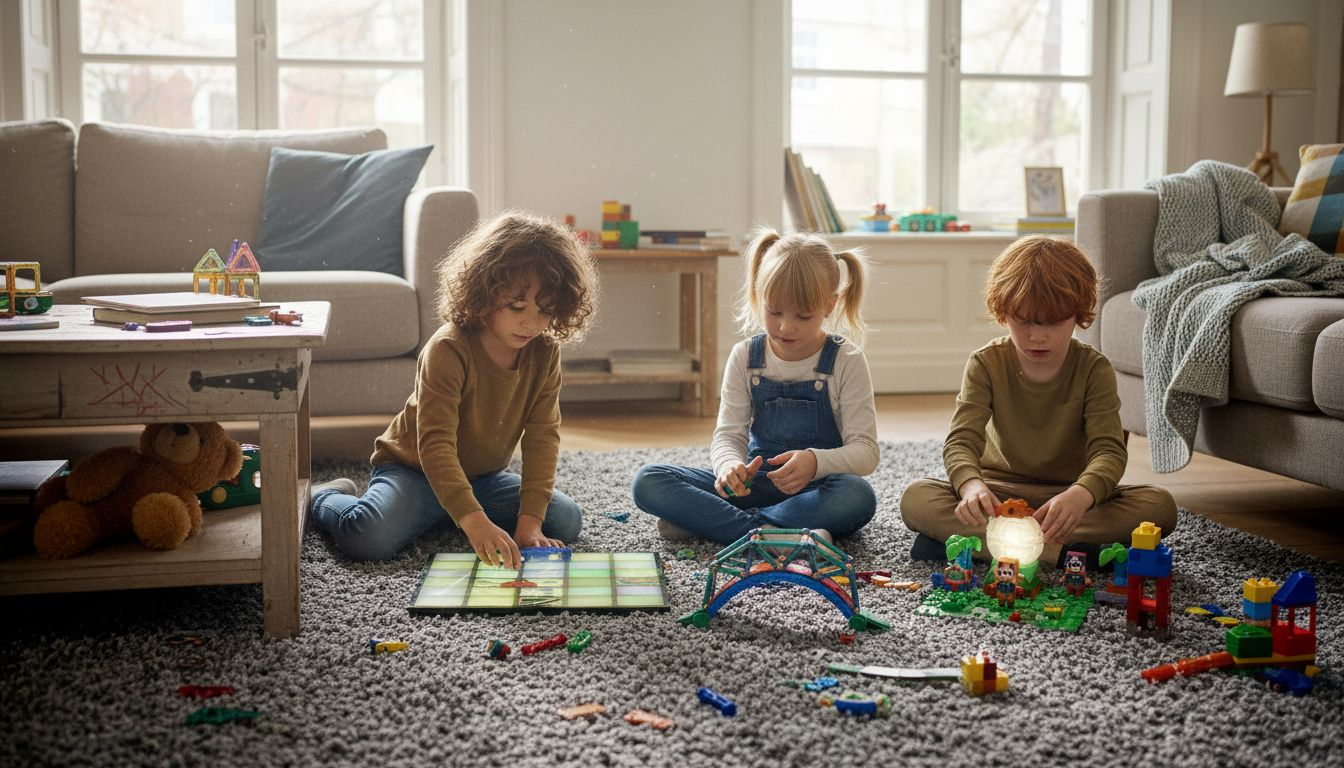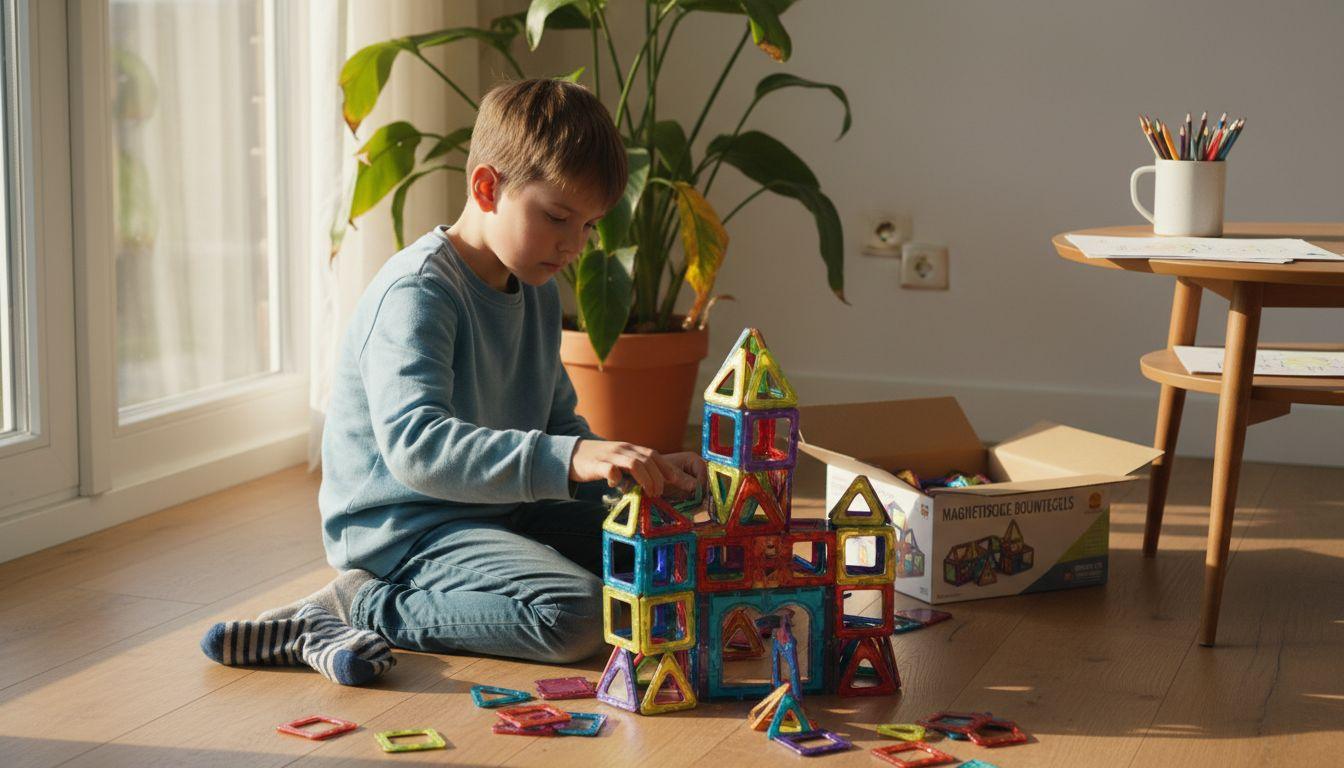
Every parent in Central Europe knows the feeling of searching for toys that are both safe and challenging for curious little hands. Magnetic toys are growing in popularity because they offer opportunities to playfully stimulate creativity, fine motor skills, and problem-solving. By choosing magnetic toys with both educational and playful value, you help your child discover shapes, structures, and new ideas step by step and enjoy endless building fun together.
Table of contents
- Step 1: Choose suitable magnetic toys
- Step 2: Prepare a safe and inspiring building space
- Step 3: Introduce simple building tasks with examples
- Step 4: Encourage imaginative building and combining together
- Step 5: Check and admire the construction results together
Short Summary
| Key point | Explanation |
|---|---|
| 1. Choose safe and appropriate toys | Select magnetic toys that are age-appropriate and safe for your child. |
| 2. Create a stimulating building space | Provide a safe and inspiring environment with soft carpeting and plenty of daylight. |
| 3. Start with simple construction tasks | Introduce fun, achievable tasks that stimulate creativity and motor skills. |
| 4. Encourage collaborative building | Build together with your child to stimulate imagination and develop social skills. |
| 5. Reflect on construction results | Look at the constructions together, appreciate your child's work and encourage further creativity. |
Step 1: Choose suitable magnetic toys
Selecting the right magnetic toys is crucial for a fun and educational play experience for children. The right set can stimulate creativity and support the development of motor skills.
When choosing magnetic toys, you should consider several important factors. First and foremost, your child's age is a determining factor. There are magnetic building blocks for different age groups , ranging from simple sets for toddlers to more complex constructions for older children.
When selecting, pay attention to the following features:
- Safety of the magnets
- Quality of the materials
- Diversity of shapes
- Possibilities for creative building
- Durability of the set
Sturdy sets with rounded edges and strong magnets are especially ideal for young children. Modern magnetic toy sets offer countless possibilities for building complex structures , from simple towers to detailed vehicles.
Always choose a magnetic toy set that suits your child's age and developmental stage.
Consider the educational value, too. Good magnetic sets not only stimulate creativity but also help develop spatial awareness and problem-solving skills.
Here's an overview of the types of magnetic toys by age group:
| Age category | Type of toy | Development advantage |
|---|---|---|
| 1-3 years | Large building blocks with rounded edges | Learn to grab and stack safely |
| 4-6 years | Magnetic tiles and basic shapes | Simple constructions, recognizing colors |
| 7+ years | Complex sets with moving parts | Stimulate problem-solving thinking |
Pro tip: Watch demonstration videos or reviews of the specific magnetic toy set first to get a good idea of the possibilities and quality.
Step 2: Prepare a safe and inspiring building space
Creating an ideal building space for children is essential for stimulating creativity and enabling safe play. A well-designed space is the foundation for endless building fun and educational experiences.
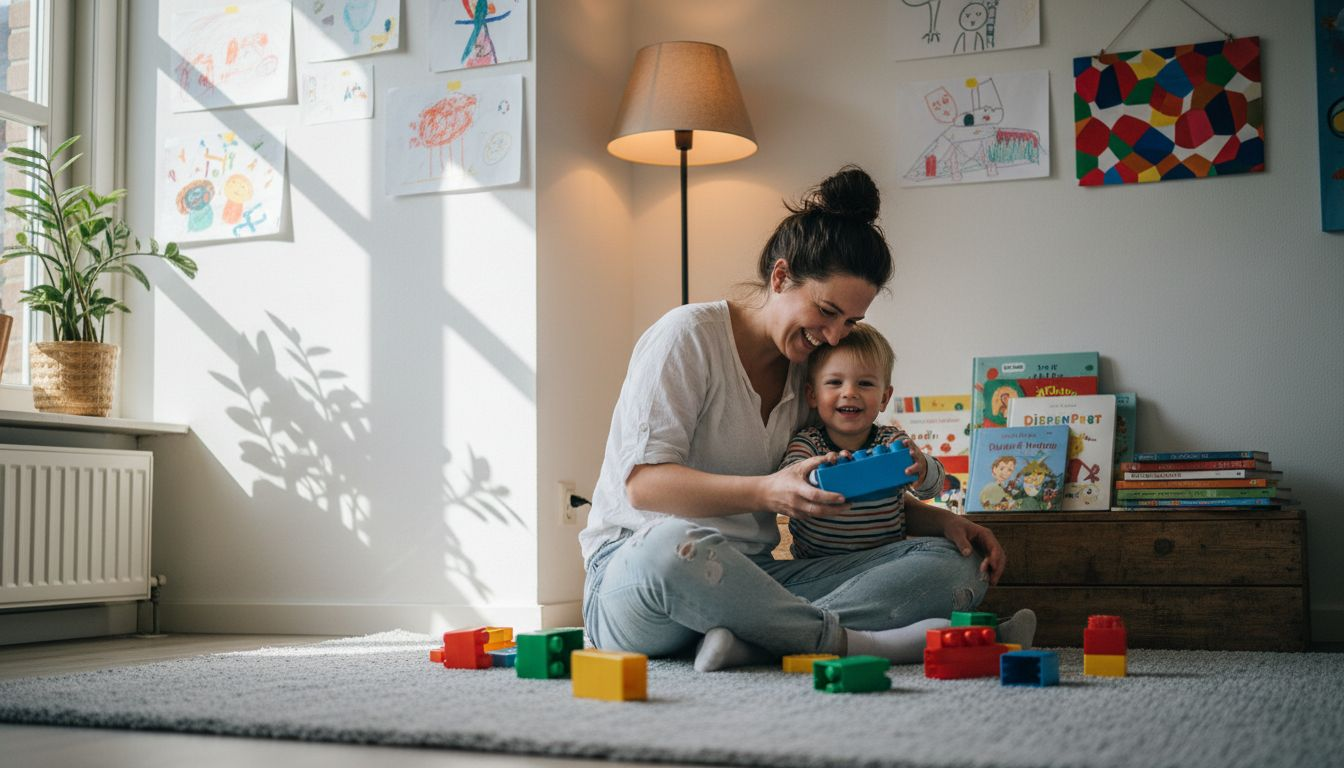
When designing the building space, several crucial aspects are important. Creating safe play areas requires attention to various elements that support your child's development.
When preparing the building space, pay attention to the following aspects:
- Choose a quiet location with sufficient daylight
- Provide soft floor coverings such as foam tiles
- Create sufficient space for movement
- Install safety gates if necessary
- Organize clear storage space for toys
Flooring choice is especially important. Soft, shock-absorbing surfaces protect children from injury and provide comfort while building. Make sure the floor is clean, level, and free of obstacles that could hinder the construction.
A well-designed building space not only stimulates play but also supports children's cognitive and motor development.
Stimulating elements like colorful wall decorations, ample lighting, and a tidy environment help children feel safe and inspired. Provide ample storage to keep the space neat and organized.
Here's a concise comparison of flooring options for a construction space:
| Floor type | Safety | Comfort | Easy to clean |
|---|---|---|---|
| Foam tiles | High | Soft | Quickly with a cloth |
| Carpet | Average | Warm | Vacuum regularly |
| Wooden floor | Lower | Hard | Easy mopping |
Pro tip: Involve your child in setting up the space to increase their engagement and enthusiasm for the building space.
Step 3: Introduce simple building tasks with examples
Introducing building challenges is a great way to encourage children to develop their creativity and technical skills. By offering structured and playful challenges, you make building an engaging and educational activity.
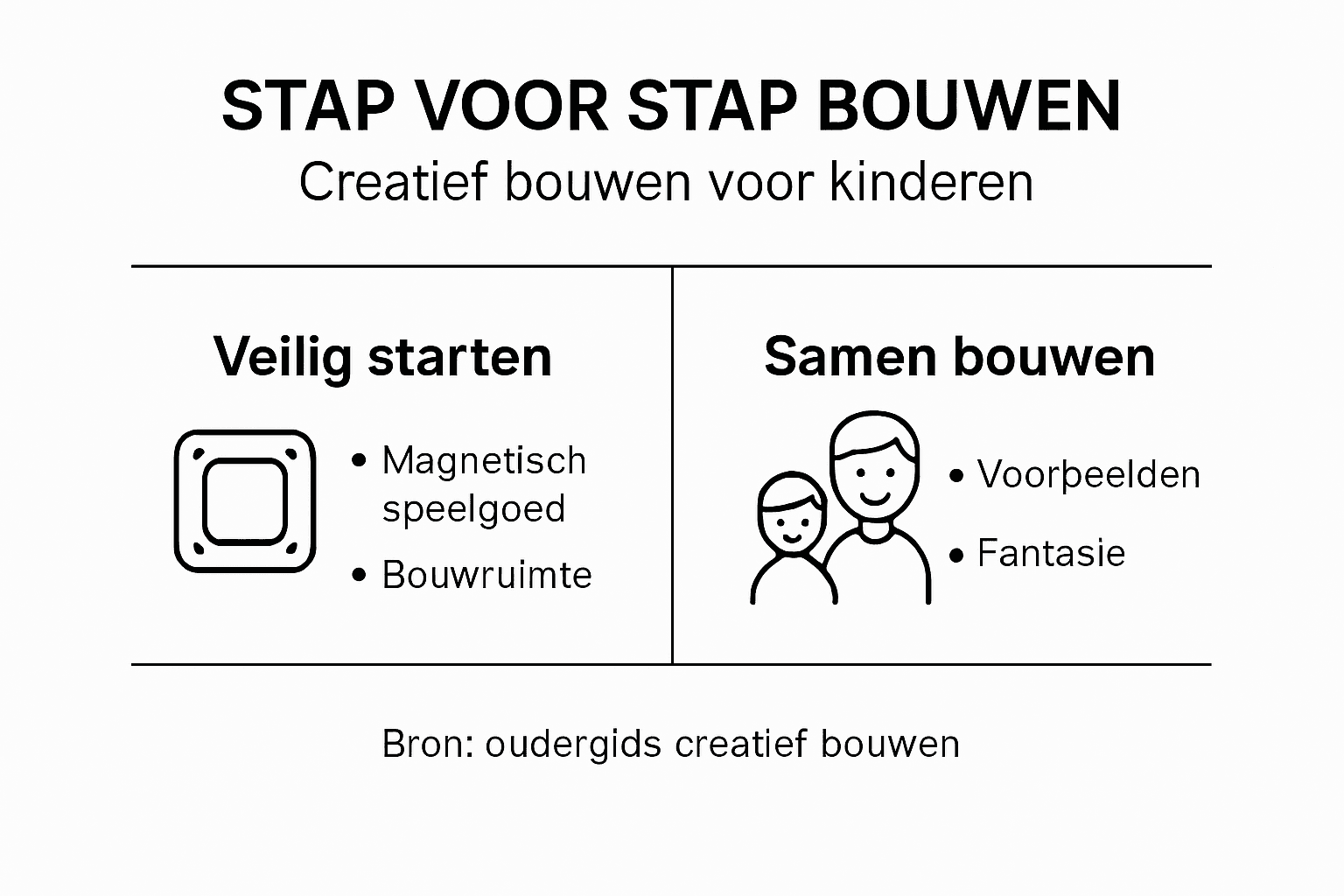
Building tasks using building cards offer a structured approach with varying levels of difficulty that perfectly match the development of young children. Start with simple, achievable constructions that guarantee successful experiences.
Some suitable starter assignments for children:
- Build a simple tower with up to 5 blocks
- Create a bridge that connects two points
- Make a house with a roof
- Construct a wheeled vehicle
- Design a geometric shape such as a triangle or square
Increasing the difficulty level is essential. Start with very simple challenges and gradually expand to more complex constructions. Use visual aids like example cards or demonstrations to inspire children.
Building challenges are more than just play – they encourage problem-solving, spatial awareness, and motor skills.
Motivate children by appreciating and encouraging their creations. Don't focus on perfection, but on the joy of building and experimenting. Let children discover their own interpretations and variations.
Pro tip: Make building assignments interactive by building together with your child and allowing room for their own creativity.
Step 4: Encourage imaginative building and combining together
Building together is more than just an activity—it's an opportunity to unleash your child's creativity while fostering a deeper bond. By building together, you not only foster their imagination but also important social skills.
Building together fosters creativity in a unique way that goes far beyond simply constructing shapes. It encourages children to experiment, communicate, and respect each other's ideas.
Develop collaborative building through the following strategies:
- Introduce open-ended construction assignments
- Encourage free play and experimentation
- Listen to your child's ideas
- Help without taking over immediately
- Celebrate every unique construction
Communication and support are crucial. Ask open-ended questions like, "What would you like to build?" or "How could we make this differently?" Demonstrate that making mistakes is part of the creative process.
Children learn best when they are given the space to explore and come up with their own solutions.
Vary the building materials to keep the challenge interesting. Combine magnetic tiles with other construction materials to create new possibilities. Turn building into an adventure full of surprises and discoveries.
Pro tip: Document the building adventures by taking photos and looking at them together, which will make your child feel valued and inspired.
Step 5: Check and admire the construction results together
Viewing and appreciating the results of construction together is an important step in the creative building process. By looking attentively and positively at your child's creations, you boost their self-confidence and creativity.
Process-oriented work with children emphasizes the importance of reflecting on the creative process, not just the final result. It's about showing your child that every attempt is valuable.
Use the following approaches when viewing construction results:
- Listen to the stories behind the construction
- Ask curious questions about the building process
- Identify specific details that stand out to you
- Show genuine admiration
- Encourage further experimentation
Positive feedback is crucial. Avoid criticism and focus on what your child has accomplished. Use phrases like, "Tell me what you built" or "What a great solution you came up with."
The goal is not a perfect construction, but the joy and growth that comes with building.
Take photos of the creations together to capture the memories. Discuss what went well and what could be done differently next time, always in a supportive and positive way.
Pro tip: Save the photos in a special "construction scrapbook" to track and celebrate your child's progress and creativity.
Encourage creative building with safe and durable magnetic toys
Want to instantly enhance your child's educational building experience with high-quality magnetic toys that perfectly complement the step-by-step method in this guide? At Tiles Minds, you'll find a wide range of safe and durable Magnetic Blocks and various sets, such as the popular 125-Piece Tiles . These products are designed to stimulate children's fine motor skills and spatial awareness while they safely enjoy their building adventures.
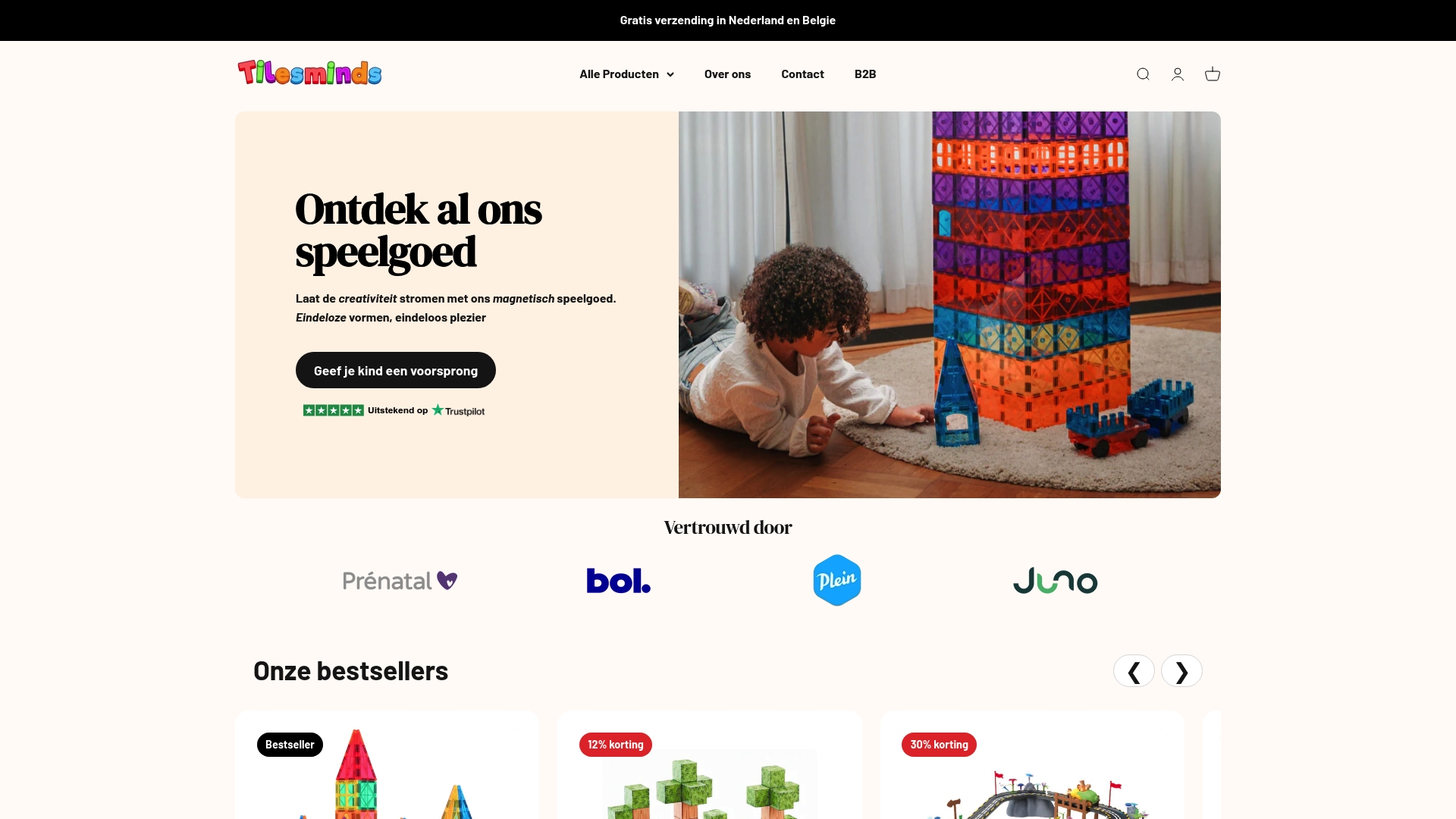
Give your child the opportunity to develop creativity and problem-solving skills right away by getting started with our high-quality magnetic building sets. Visit Tiles Minds now and find the perfect set to match your building passion. Start exploring and building today for a day full of inspiration and learning.
Frequently Asked Questions
What are the most important factors when choosing magnetic toys for my child?
When choosing magnetic toys, your child's age is one of the most important factors. Choose toys that are safe, made of quality materials, and offer plenty of opportunities for creative building.
How can I create a safe building space for my child?
To create a safe building space, choose a quiet location with plenty of natural light and soft carpeting. Provide plenty of room to move around and organize plenty of storage for toys to keep everything organized.
What simple building tasks can I give my child?
Start with simple building tasks, such as constructing a tower with a maximum of 5 blocks or creating a geometric shape like a triangle. This gives your child a sense of achievement and encourages their problem-solving skills.
How can I encourage imaginative building with my child?
Encourage imaginative building by introducing open-ended construction tasks and encouraging free play. Listen to your child's ideas and help them express their creativity without taking over.
Why is it important to review construction results together?
Building together and viewing the results helps build self-confidence and stimulates creativity. By showing genuine admiration and asking curious questions, you encourage your child to continue experimenting and learning.
Recommendation
- Creative building with children: from idea to masterpiece
- Creative building with children: from idea to masterpiece
- Comprehensive Guide to Magnetic Building Block Projects for Kids
- How magnetic building brings your child's imagination to life
- 7 Key Benefits of Educational Board Games for Kids - The World Game